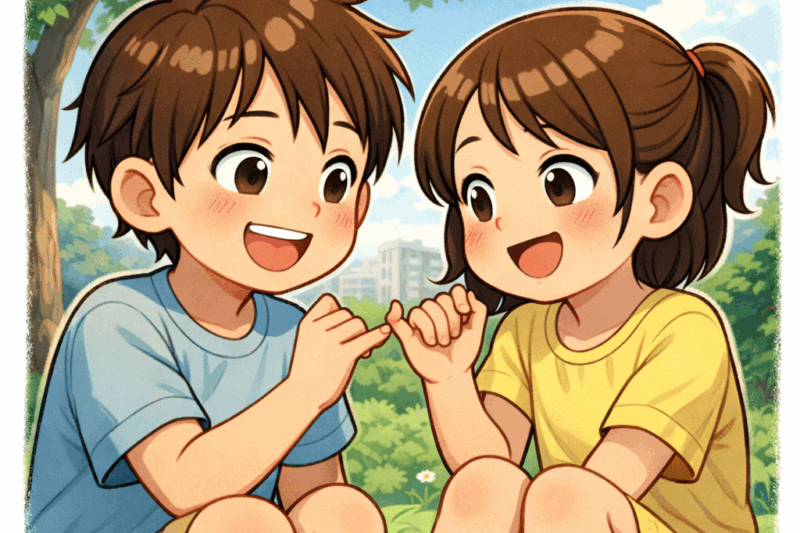
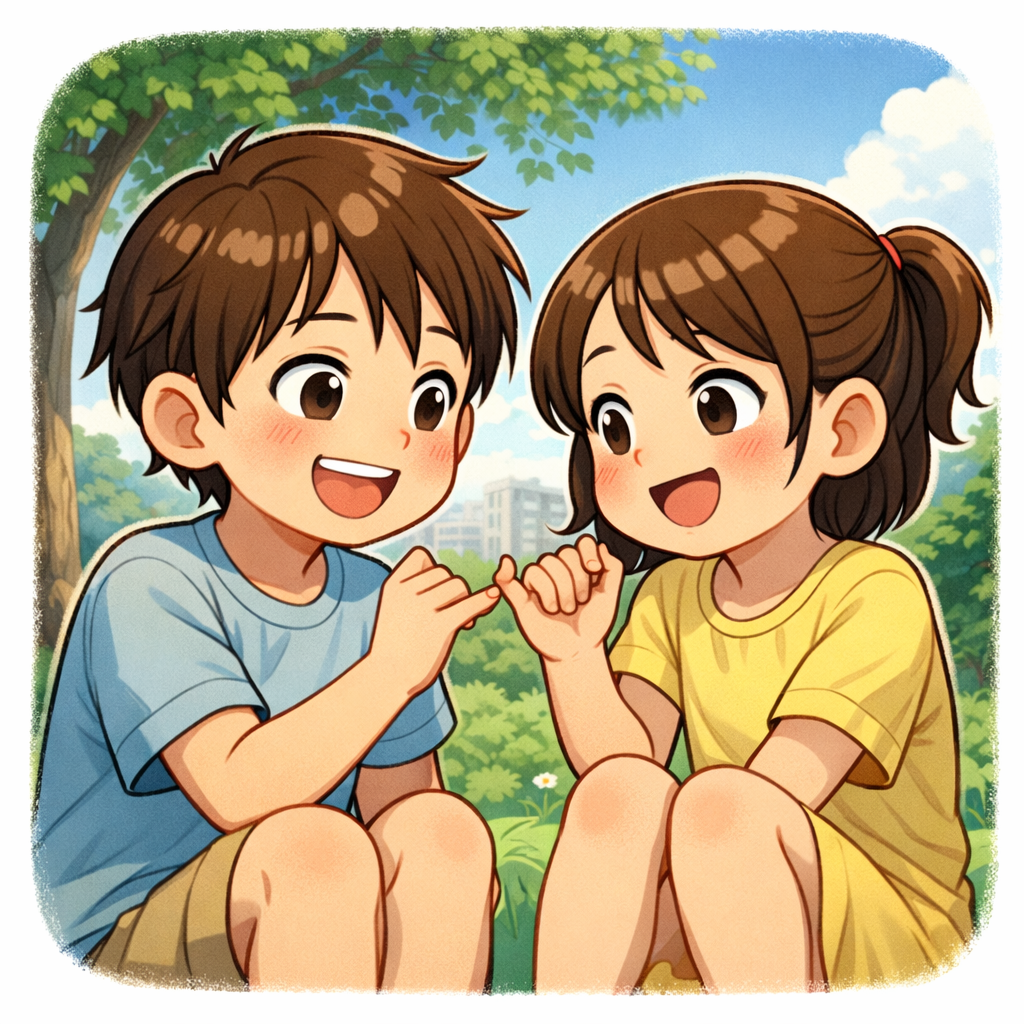
Meaning “Osananajimi” (幼馴染) refers to a childhood friend – someone you’ve known since you were very … 幼馴染 — osanajimiRead more
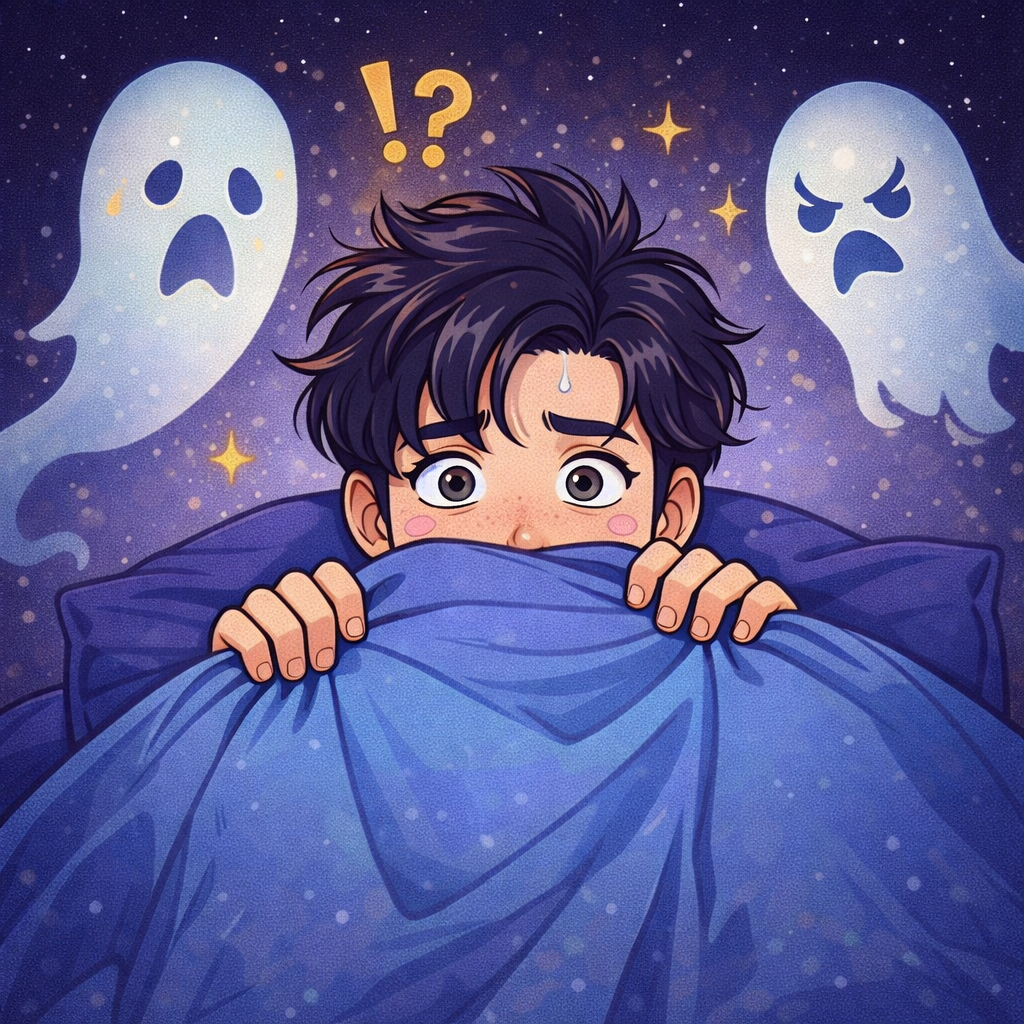
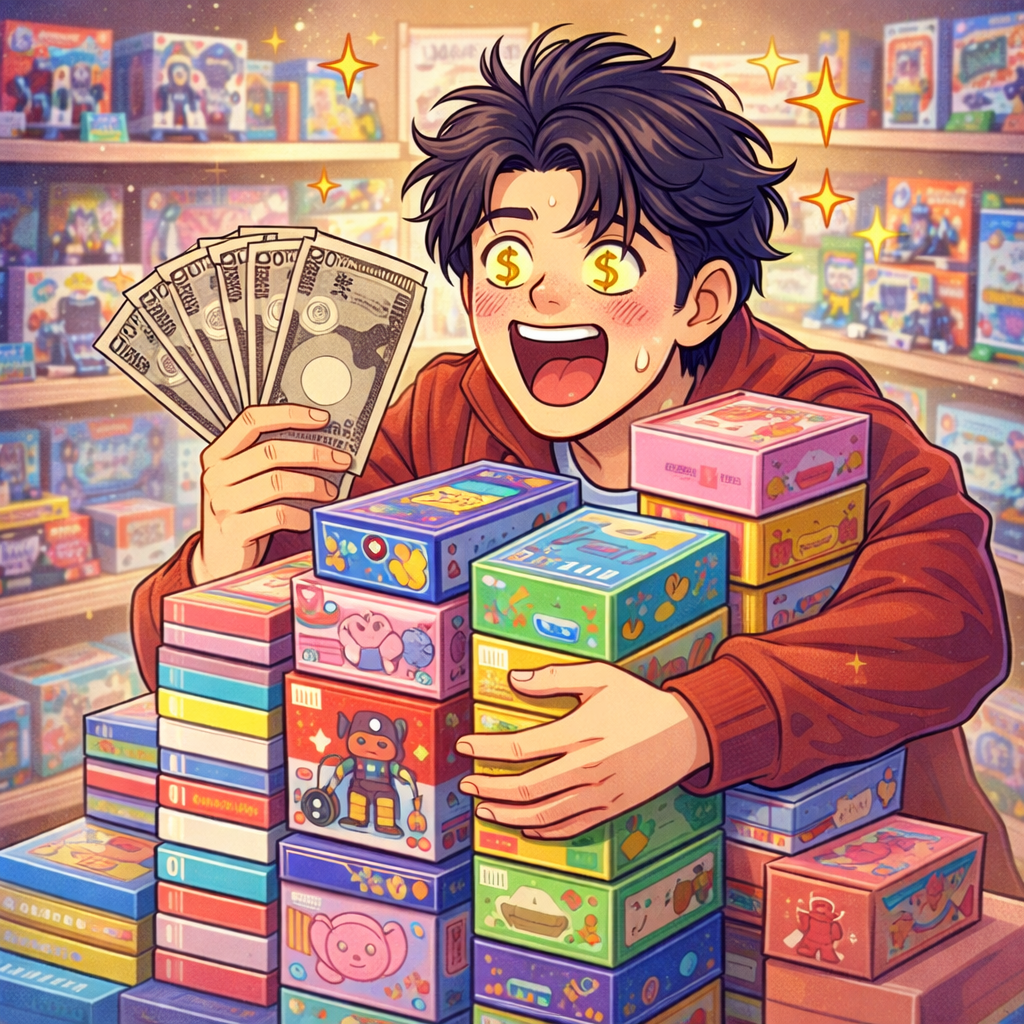
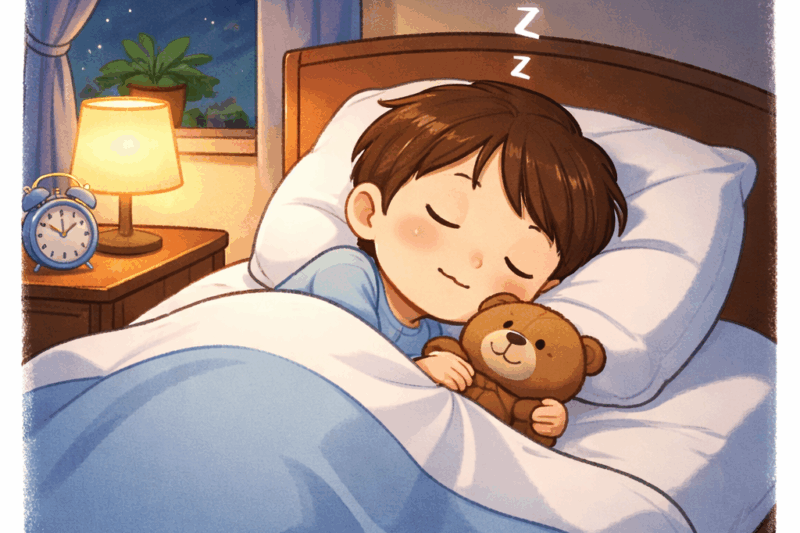
Meaning “Osananajimi” (幼馴染) refers to a childhood friend – someone you’ve known since you were very … 幼馴染 — osanajimiRead more
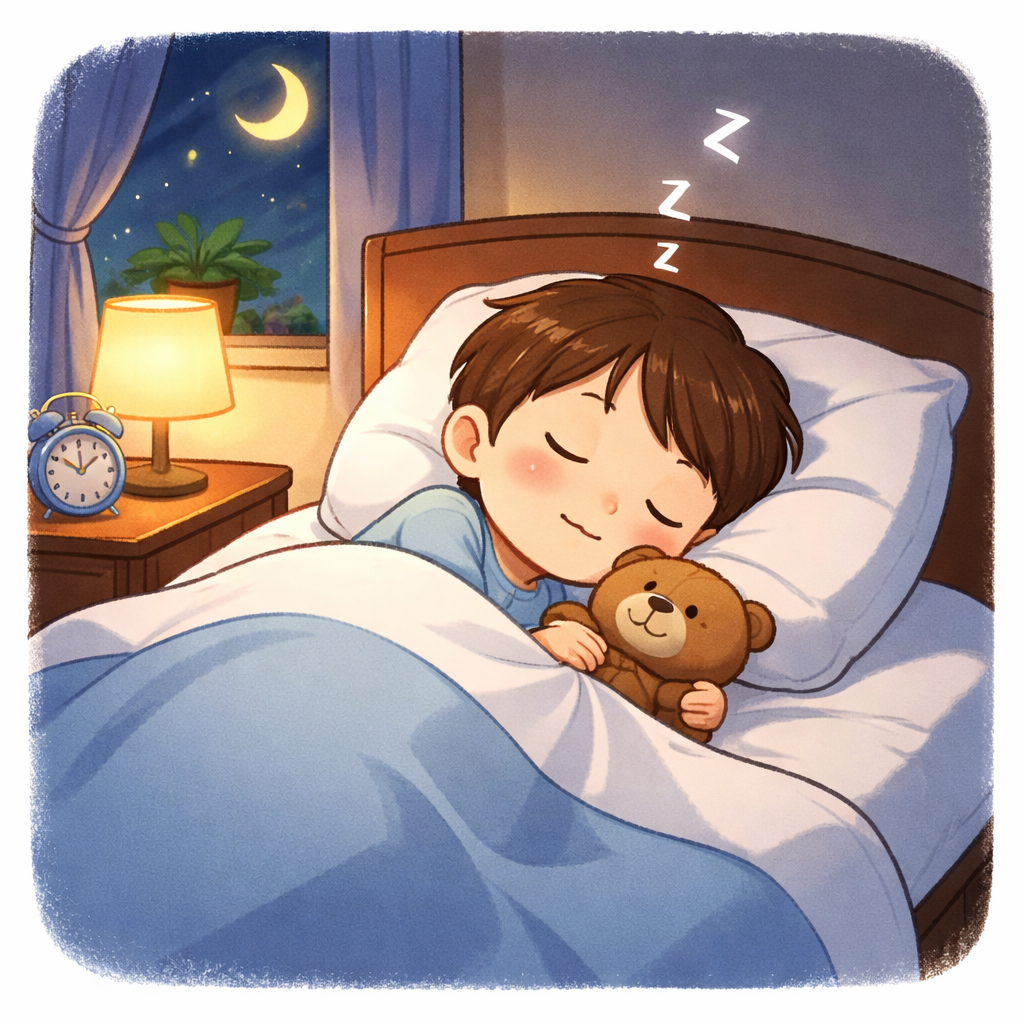
Meaning “Onesho suru” (おねしょする) means to wet the bed or to have a bedwetting incident. It’s … おねしょする — onesho suruRead more
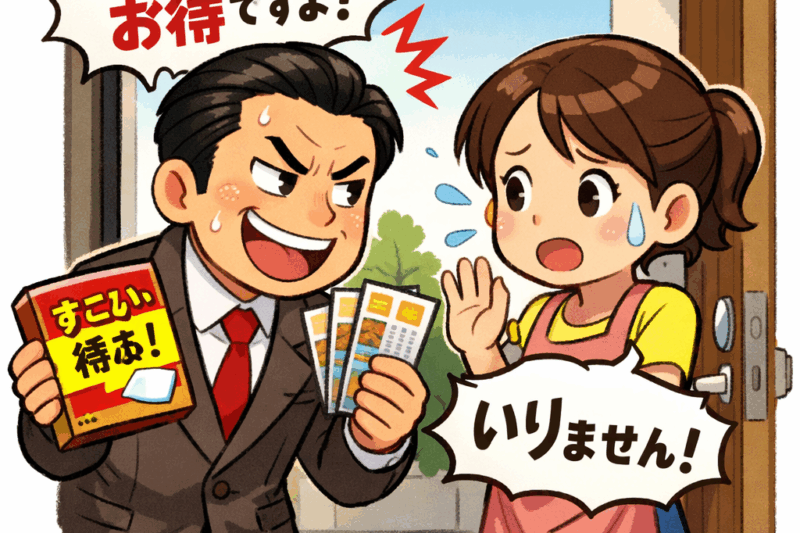
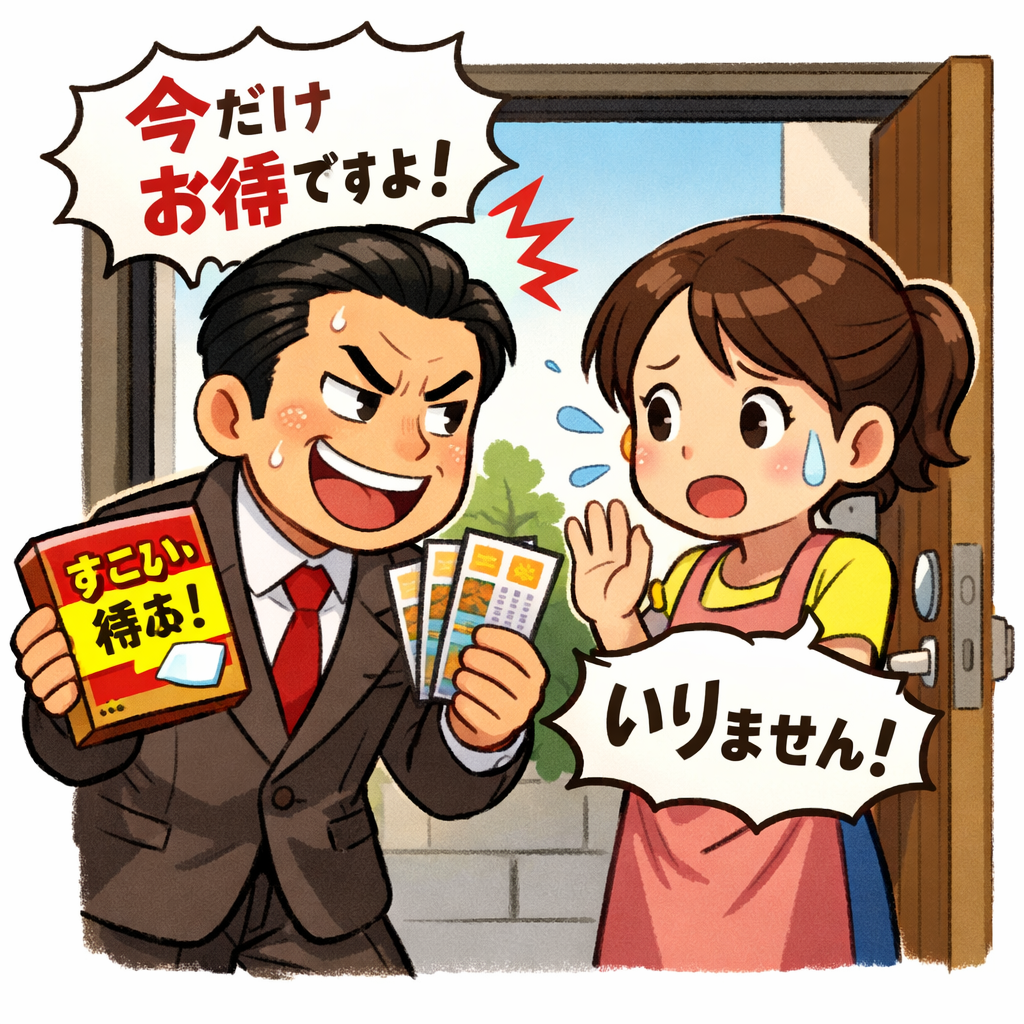
Meaning “Oshiuri” (押し売り) means aggressive selling, pushy sales tactics, or forcing someone to buy something they … 押し売り — oshiuriRead more
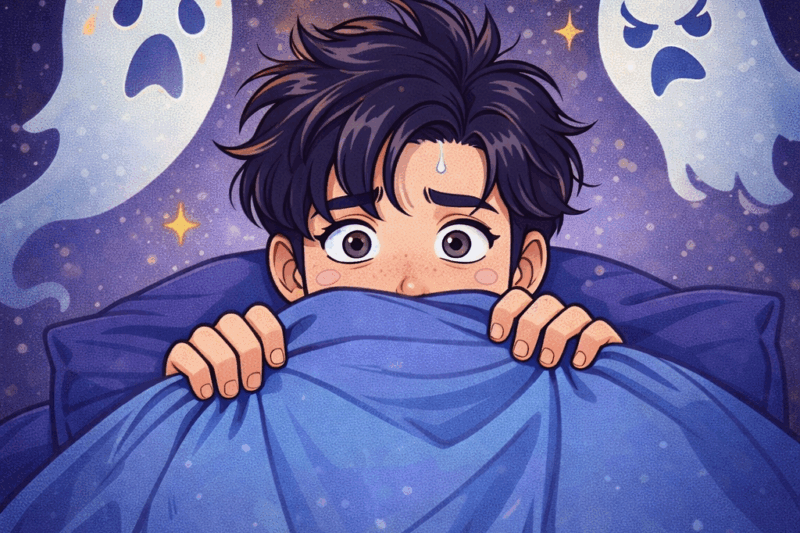
Meaning “臆病” (okubyō) means “cowardly,” “timid,” or “lacking courage.” This word describes a person who is … 臆病 — okubyōRead more
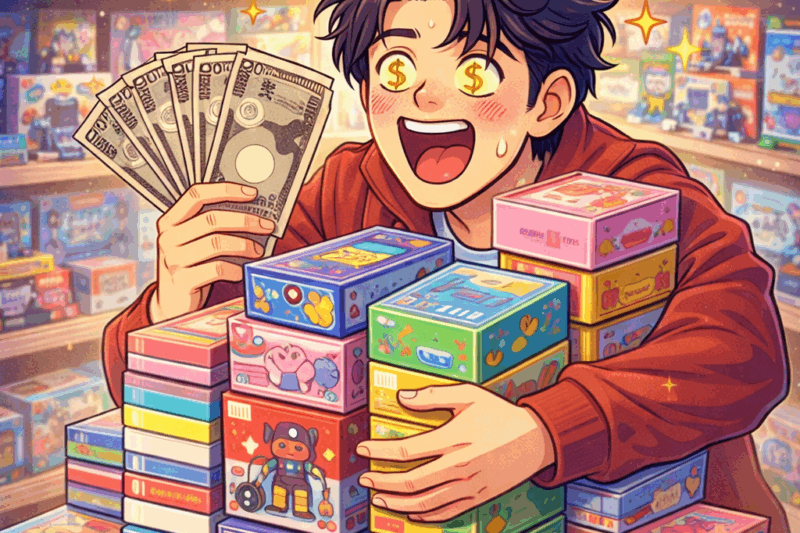
Meaning “大人買い” (otona-gai) literally means “adult buying” or “grown-up purchasing.” This expression refers to buying large … 大人買い — otonagaiRead more

Meaning This Japanese idiom literally means “as if something is stuck between one’s back teeth.” It’s … 奥歯に物が挟まったよう — okuba ni mono ga hasamatta yōRead more
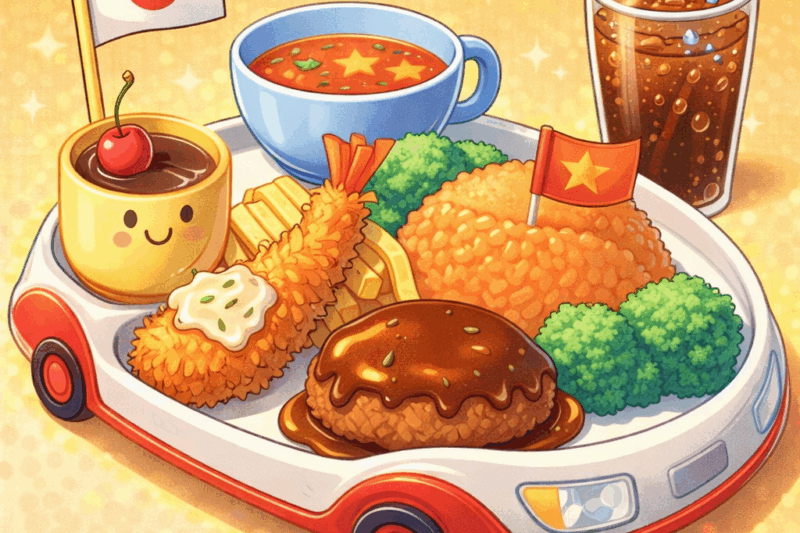
Meaning “お子様ランチ” (okosama-ranchi) literally means “children’s lunch” and refers to a special meal set designed specifically … お子様ランチ — okosama ranchiRead more
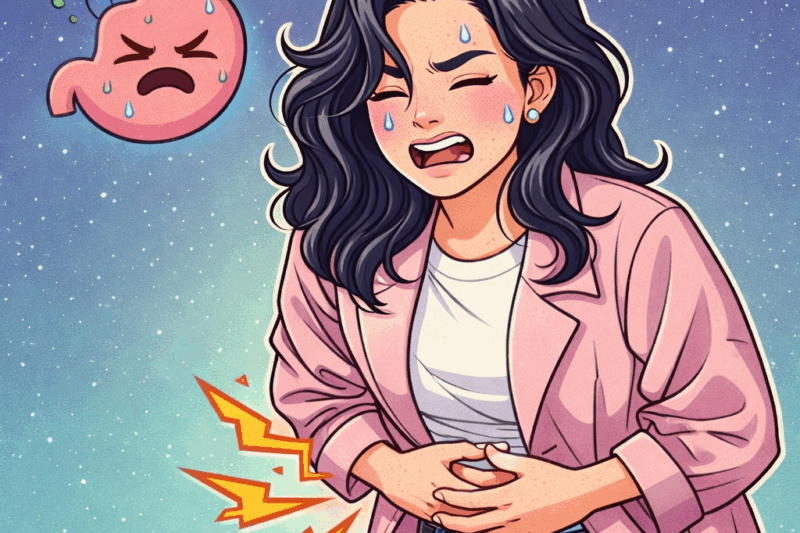
Meaning “お腹を壊す” (onaka wo kowasu) and “腹を下す” (hara wo kudasu) both mean “to get an upset … お腹を壊す/腹を下す — onaka o kowasu / hara o kudasuRead more
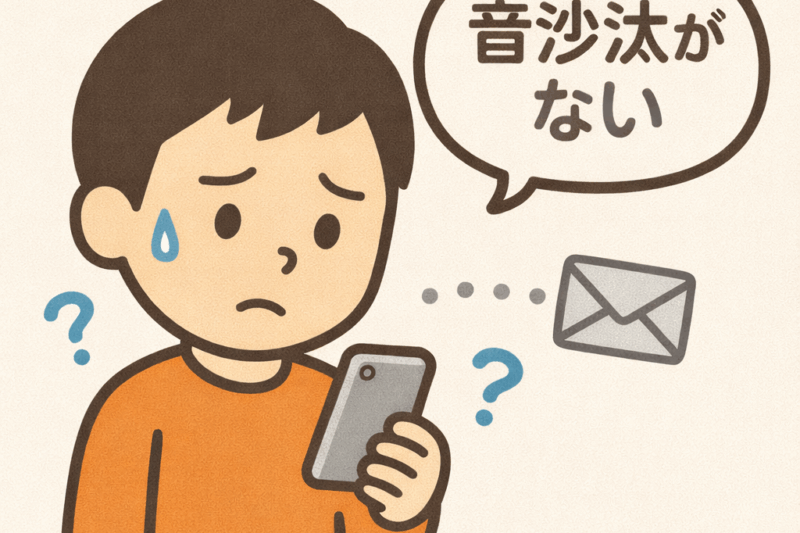
Meaning 「音沙汰がない」(otoзata ga nai) is a Japanese expression that means “no word from someone” or “no … 音沙汰がない — otosata ga naiRead more
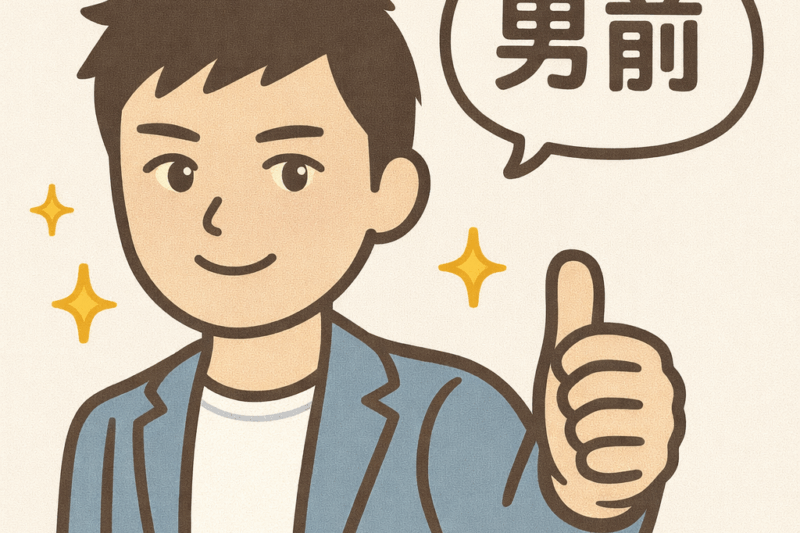
Meaning 「男前」(otokomae) is a Japanese term that literally means “manly” or “man-like,” but it’s commonly used … 男前 — otokomaeRead more
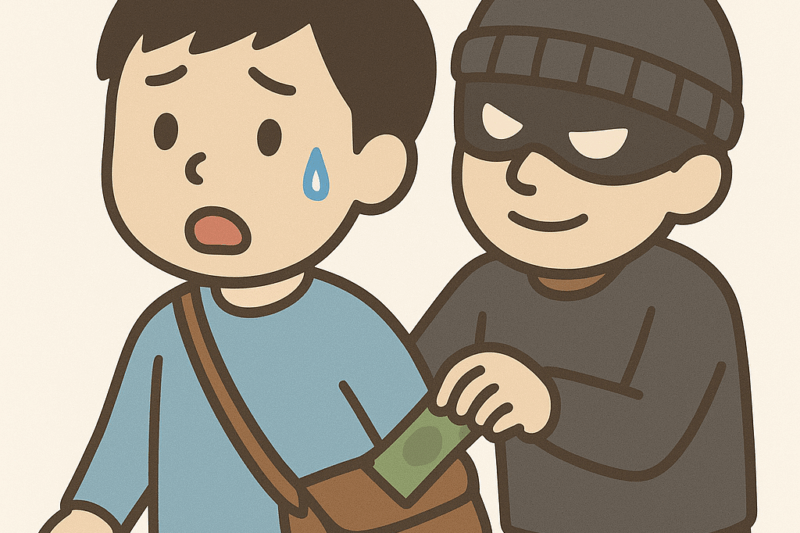
Meaning “置き引き” (okibiki) means theft of unattended belongings or luggage theft. It specifically refers to stealing … 置き引き — okibikiRead more
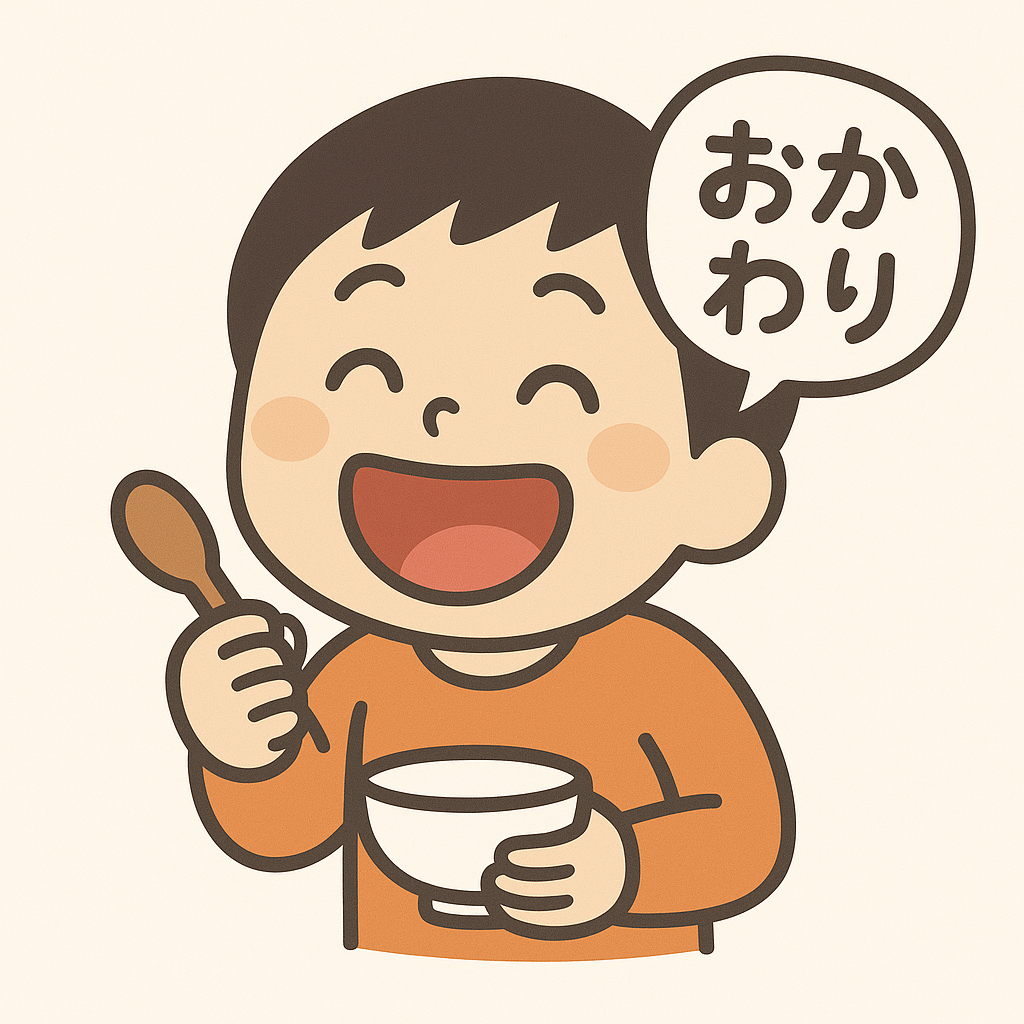
Meaning “おかわり” (okawari) means to ask for or receive a second serving or refill of food … おかわりする — okawari suruRead more
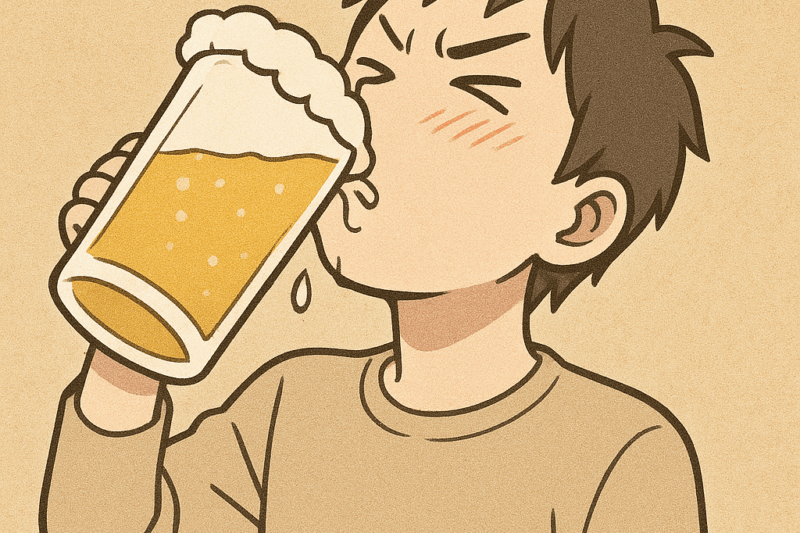
Meaning 「一気飲み」is a Japanese term that refers to the act of drinking an alcoholic beverage (typically … 一気飲み/Ikki nomiRead more
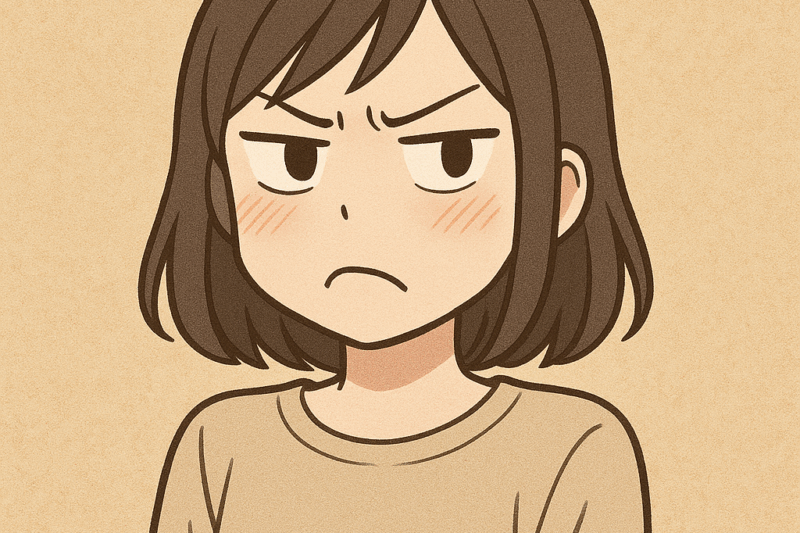
Meaning 「ウザい」is a Japanese slang term that expresses annoyance, irritation, or finding someone or something bothersome … ウザい/UzaiRead more
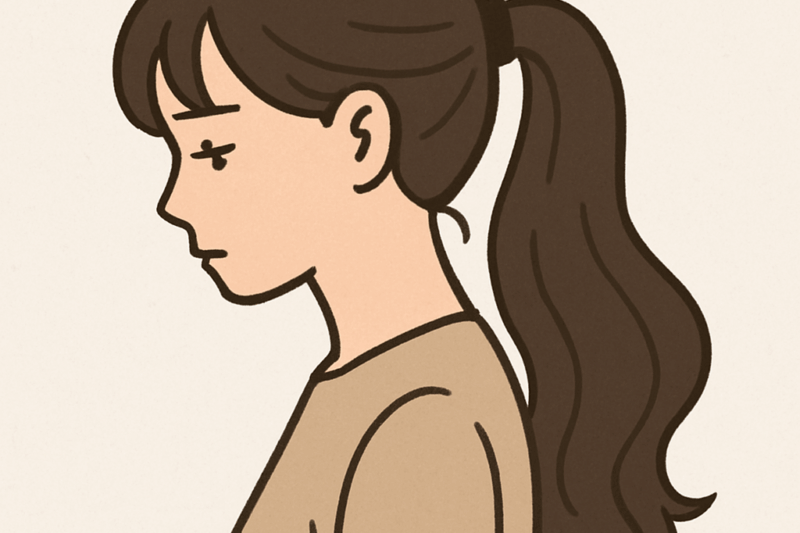
Meaning 「後ろ髪を引かれる」is a Japanese idiom that literally translates to “having one’s hair pulled from behind.” It … 後ろ髪を引かれる/Ushirogami wo hikareruRead more
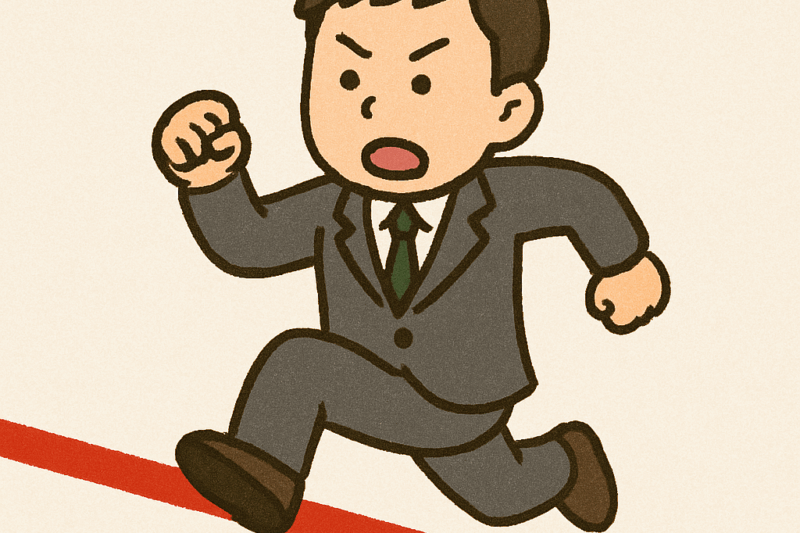
Meaning 「一線を越える」is a Japanese idiom that literally means “to cross a line.” It refers to going … 一線を越える/Issen wo koeruRead more
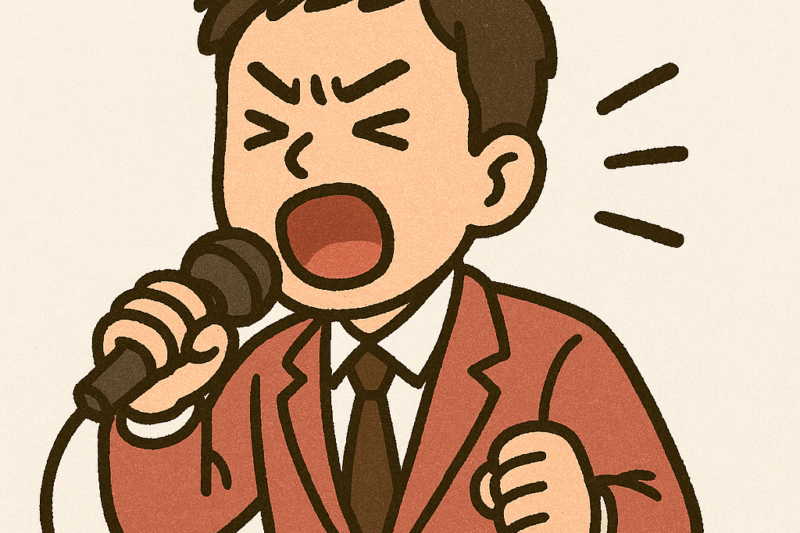
Meaning 「一発屋」is a Japanese term that refers to a person, entertainer, artist, or creator who achieves … 一発屋/IppatsuyaRead more
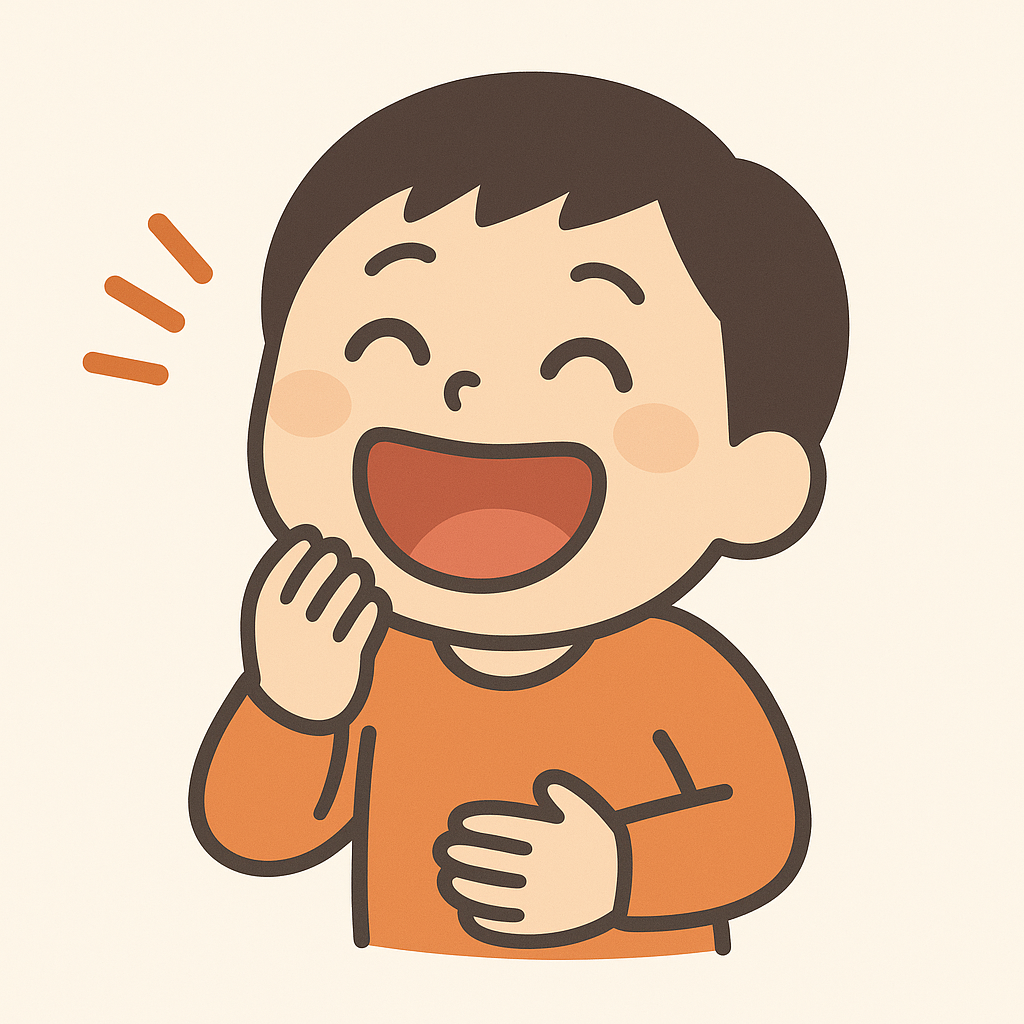
Meaning “ウケる” (ukeru) means to find something funny or to laugh at something. It’s a casual, … ウケる/UkeruRead more
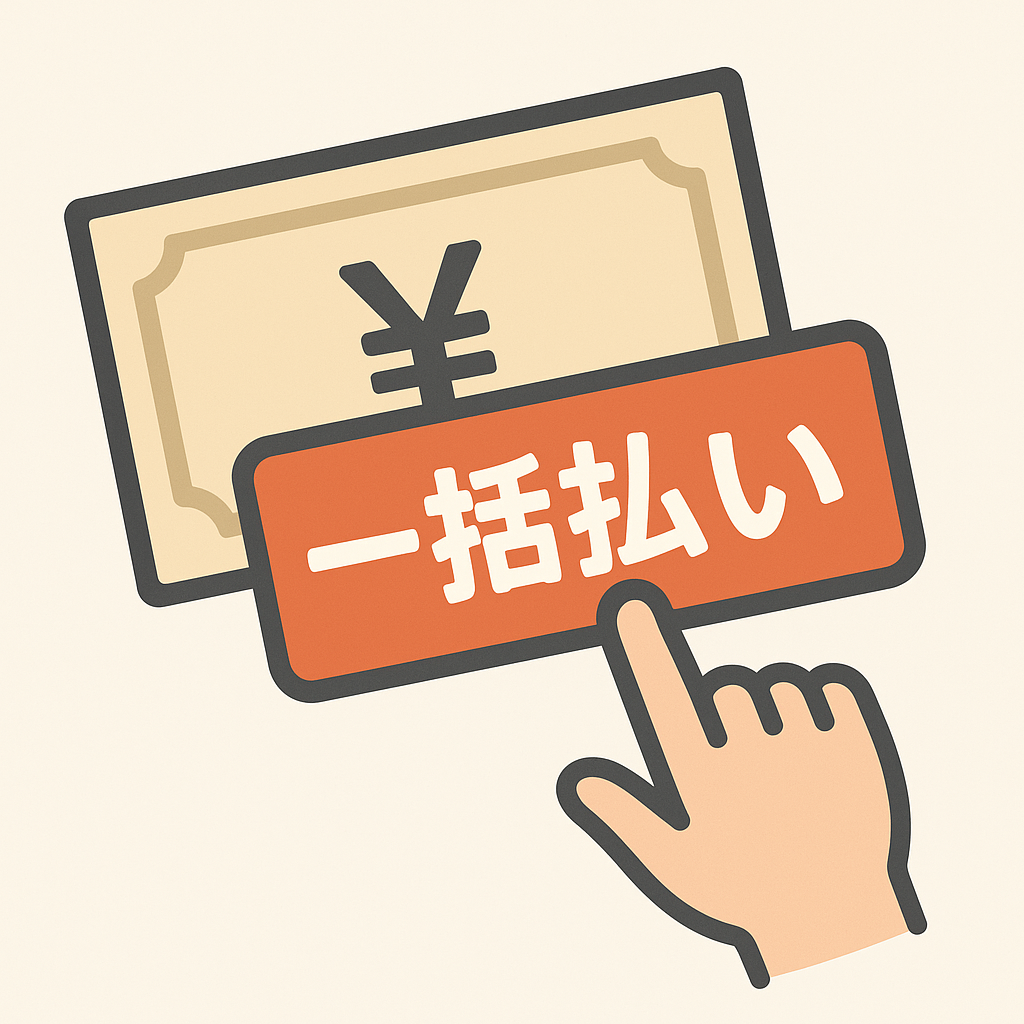
Meaning “一括払い” (ikkatsu barai) means paying in full at once or paying a lump sum. It … 一括払い/IkkatsubaraiRead more
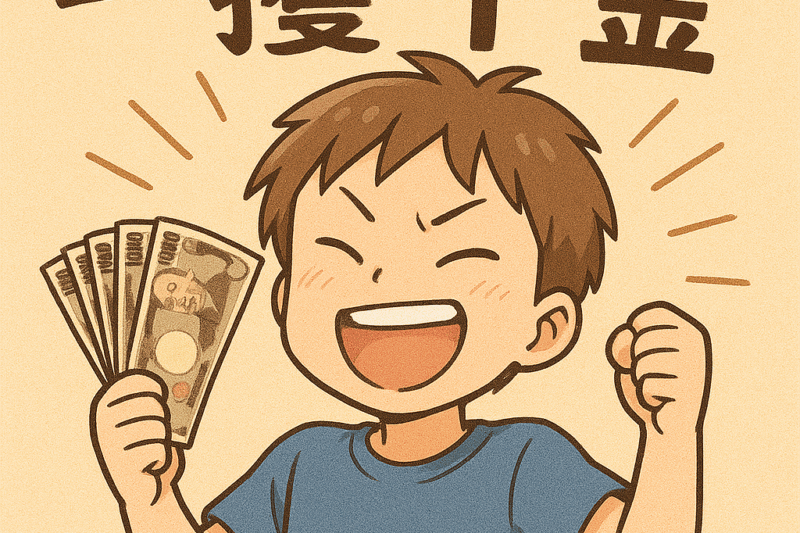
Meaning “一攫千金” (ikkatsu senkin) means making a sudden fortune or striking it rich. It refers to … 一攫千金/IkkakusenkinRead more
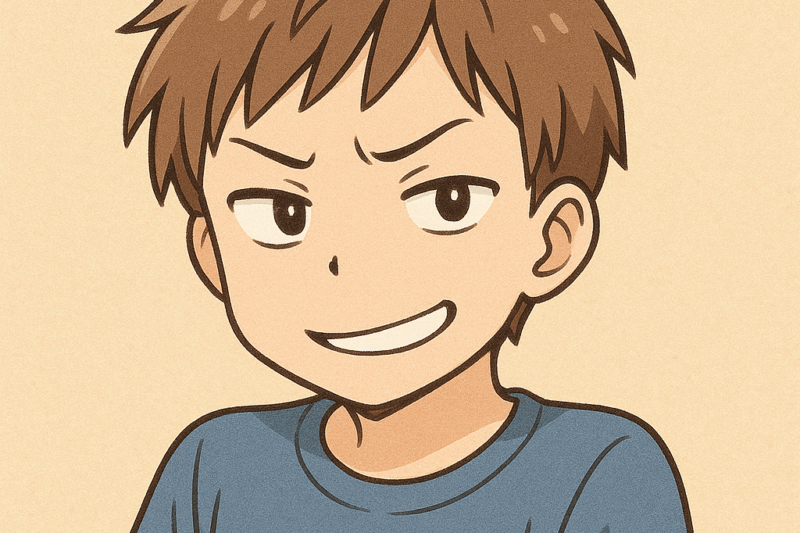
Meaning “上から目線” (Ue kara mesen) means looking down on someone or talking down to someone. It … 上から目線/Ue kara mesenRead more
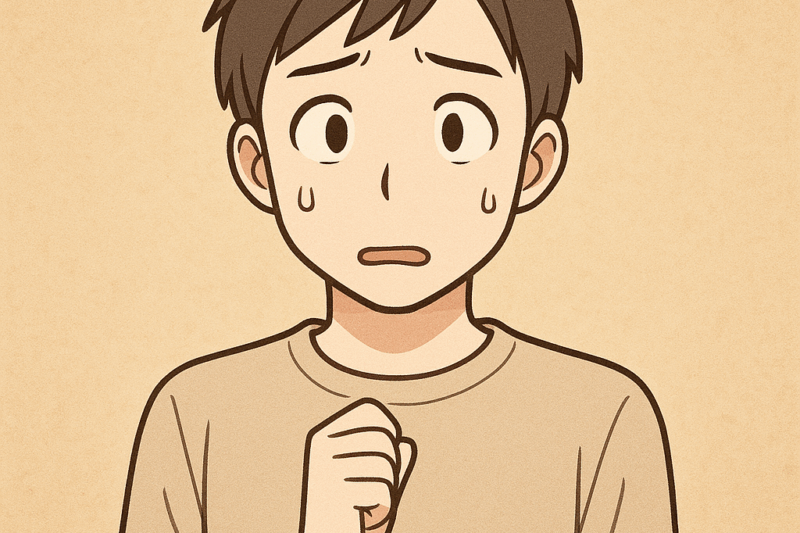
Meaning 一見さん means “first-time customer” or “a customer visiting for the first time.” More specifically, it … 一見さん/IkkensanRead more

Meaning 一途 means “devoted,” “faithful,” or “single-minded.” More specifically, it describes someone who: Is completely devoted … 一途/IchizuRead more

Meaning インテリ means “intellectual” or “intelligent person.” More specifically, it refers to: An educated or cultured … インテリ/InteriRead more

Meaning 色気がある means “to have sex appeal” or “to be alluring/attractive.” More specifically, it describes someone … 色気がある/Iroke ga aruRead more
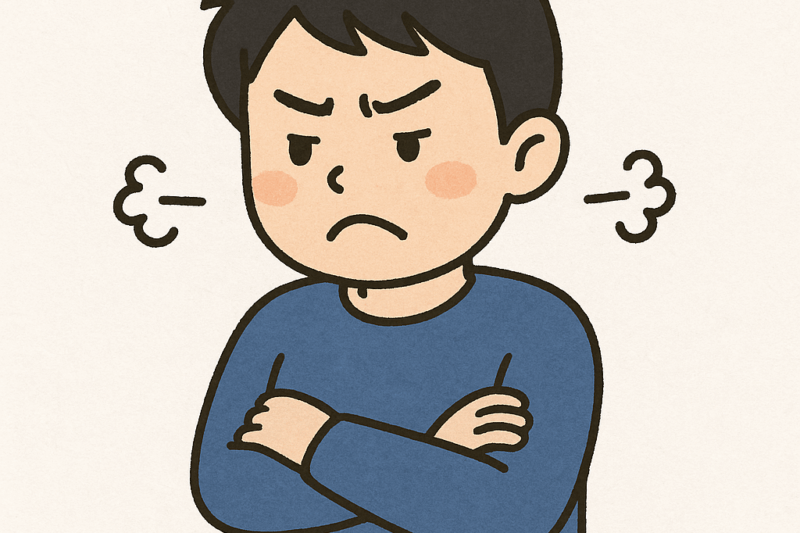
Meaning 意地を張る means “to be stubborn” or “to insist on having one’s own way.” More specifically, … 意地を張る/Iji wo haruRead more
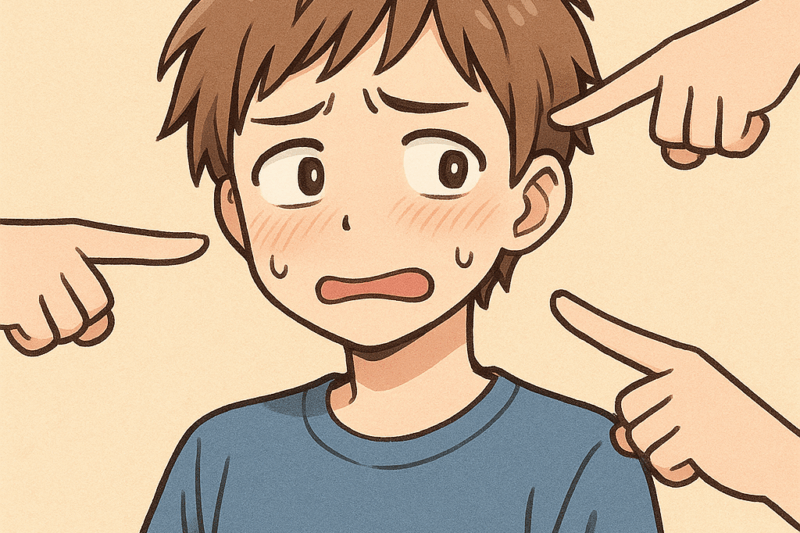
Meaning Ijirarekyara refers to a “character that gets teased” or “person who is the butt of … いじられキャラ/IjirarekyaraRead more
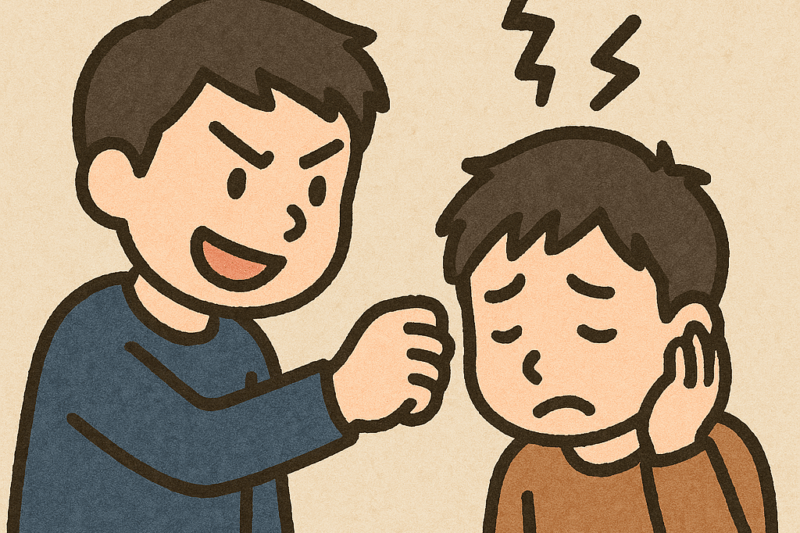
Meaning Ijimekko (いじめっ子) Ijimekko refers to a bully or person who bullies others. It’s a Japanese … いじめっ子/IjimekkoRead more
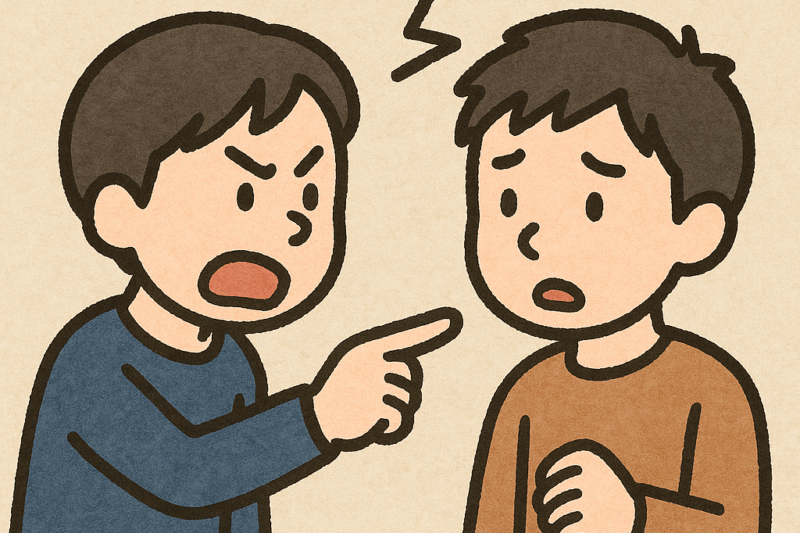
Meaning “言いがかりをつける” means to make unfounded accusations or complaints against someone, or to pick a quarrel … 言いがかりをつける/iigakari wo tsukeruRead more

Meaning “Aftertaste is bad” or “leaves a bad aftertaste” This Japanese expression has both literal and … 後味が悪い/Atoaji ga waruiRead more

Meaning “To take a break” or “to take a breather” This Japanese expression means to take … 息抜きをする/Ikinuki wo suruRead more

Meaning 「意気地がない」を英語で説明すると: “Cowardly” or “spineless” This Japanese expression describes someone who lacks courage, determination, or backbone … 意気地がない/Ikuji ga naiRead more

Meaning 「イクメン」を英語で説明すると: “Hands-on father” or “involved dad” This is a Japanese coined term that combines: 育 … イクメン/IkumenRead more

Meaning 「姉御肌」を英語で説明すると: “Big sister type” or “maternal/protective personality” This Japanese expression describes a woman who has … 姉御肌/AnegohadaRead more

Meaning “如何様” (いかさま) means fraud, deception, or trickery, often used to describe cheating or dishonest behavior. … 如何樣/IkasamaRead more

Meaning “当たり屋” (あたりや) means an insurance fraudster who deliberately causes accidents to extort money, typically by … 当たり屋/AtariyaRead more