Contents
Meaning
一見さん means “first-time customer” or “a customer visiting for the first time.”
More specifically, it refers to:
- A person visiting a restaurant, shop, or establishment for the first time
- Someone who is not a regular customer or loyal patron
- A new/unfamiliar customer as opposed to a repeat customer
Context and nuances:
The term is commonly used in Japan, particularly in restaurants, bars, cafes, and other service establishments. It distinguishes between:
- 一見さん (ikken-san) = first-time/new customer
- 常連 (jouren) = regular customer
Important note about exclusivity:
In some traditional Japanese establishments—particularly high-end sushi restaurants, exclusive bars, or certain ryokan (traditional inns)—there’s a practice called 一見さんお断り (ikken-san o kotowari), which means “first-time customers not accepted” or “no walk-ins.” These establishments only serve regular customers or those who have been introduced/referred by existing customers.
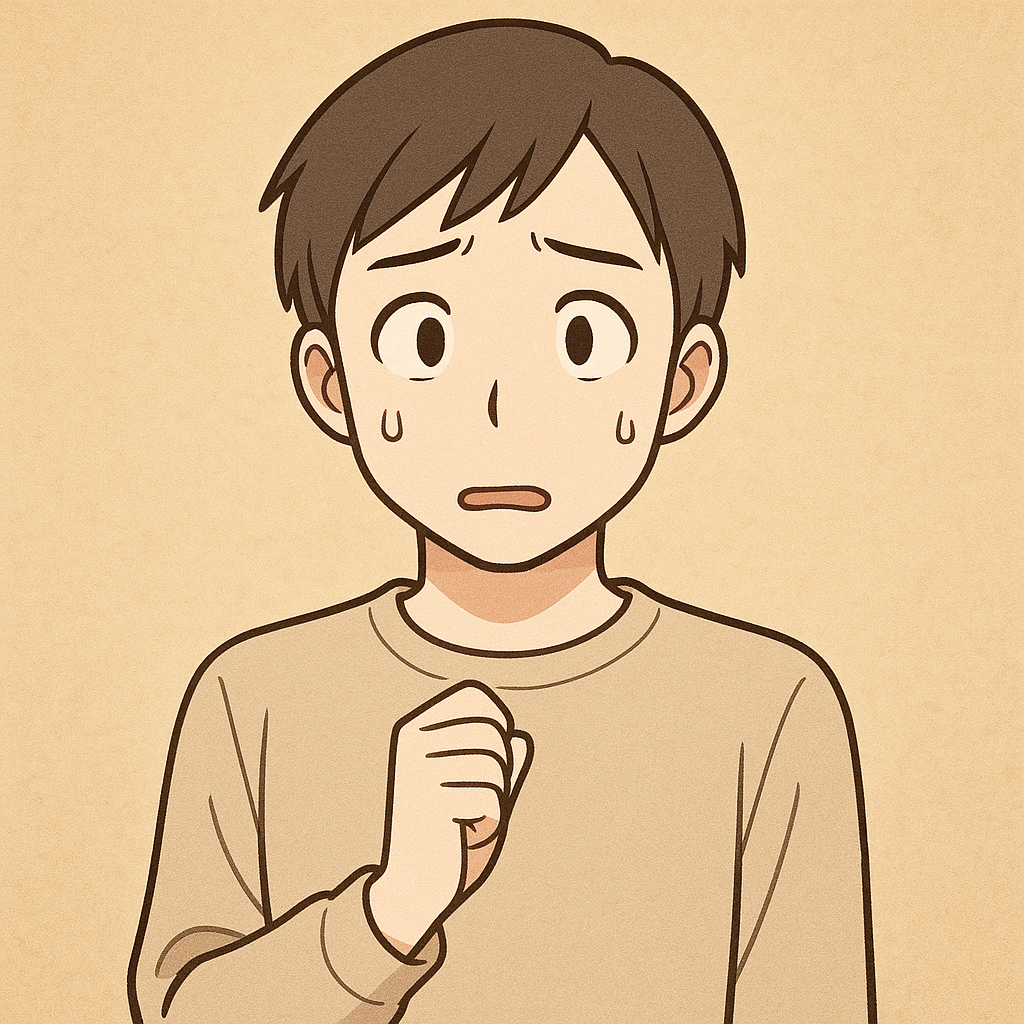
Example contexts:
- A waiter might ask: “一見さんですか?” (Are you a first-time customer?)
- A restaurant sign might say: “一見さんお断り” (First-time customers not accepted)
- Someone might say: “このお店は一見さんを受け付けていない” (This shop doesn’t accept first-time customers)
Common English equivalents:
- “first-time customer”
- “new customer”
- “walk-in customer”
- “customer visiting for the first time”
Example sentences
一見さん (ikken-san) – 20 Example Sentences
1
Japanese: このお寿司屋さんは一見さんお断りで知られている。 English: This sushi restaurant is known for not accepting first-time customers.
2
Japanese: 一見さんですか、それとも常連さんですか? English: Are you a first-time customer, or are you a regular?
3
Japanese: 一見さんでも大歓迎のお店を探している。 English: I’m looking for a restaurant that welcomes first-time customers.
4
Japanese: 京都の有名な料亭の中には、一見さんお断りのところが多い。 English: Many famous restaurants in Kyoto don’t accept first-time customers.
5
Japanese: 一見さんだから、メニューの説明をしてくれた。 English: Since I was a first-time customer, they explained the menu to me.
6
Japanese: あのバーは一見さんには厳しいらしい。 English: It seems that bar is strict about first-time customers.
7
Japanese: 一見さんでも良いお店なら、友達に紹介したい。 English: If it’s a restaurant that accepts first-time customers, I’d like to recommend it to my friends.
8
Japanese: その高級寿司店は一見さんお断りなので、誰かに紹介してもらう必要がある。 English: That high-end sushi restaurant doesn’t accept first-time customers, so you need to get an introduction from someone.
9
Japanese: 一見さんだという理由で、入店を断られた。 English: I was denied entry just because I was a first-time customer.
10
Japanese: このお店は一見さんをたくさん受け入れている。 English: This restaurant accepts many first-time customers.
11
Japanese: 一見さんですか?と聞かれて、はい、初めてですと答えた。 English: When asked “Are you a first-time customer?”, I answered “Yes, this is my first time.”
12
Japanese: 一見さんでも居心地よく過ごせるお店が増えてきた。 English: More restaurants are appearing where even first-time customers can feel comfortable.
13
Japanese: 一見さんお断りの理由は、店の雰囲気を守るためだという。 English: The reason for not accepting first-time customers is to preserve the atmosphere of the restaurant, they say.
14
Japanese: 友達が常連なので、一見さんでも大丈夫だろう。 English: Since my friend is a regular, being a first-time customer should be okay.
15
Japanese: 一見さんだと知って、特別にいい席に案内してくれた。 English: Knowing I was a first-time customer, they specially guided me to a good seat.
16
Japanese: あの居酒屋は一見さんも常連さんも同じように扱ってくれる。 English: That izakaya treats both first-time customers and regulars the same way.
17
Japanese: 一見さんだから、オーダーの時に丁寧に説明してくれた。 English: Since I was a first-time customer, they explained the ordering process carefully.
18
Japanese: 一見さんお断りのお店に入りたくて、常連の知り合いに紹介をお願いした。 English: I wanted to go to a restaurant that doesn’t accept first-time customers, so I asked an acquaintance who is a regular for an introduction.
19
Japanese: 一見さんでも楽しめるメニューが充実しているお店を探している。 English: I’m looking for a restaurant with a good selection of menu items that even first-time customers can enjoy.
20
Japanese: このお店は一見さんにも常連さんにも優しい雰囲気がある。 English: This restaurant has a friendly atmosphere for both first-time customers and regulars.
Conversation example
一見さん (ikken-san) – Conversation Examples
Conversation 1: At a Sushi Restaurant
Japanese:
- 店員: いらっしゃいませ。本日は初めてのご来店ですか?
- 客: はい、今日が初めてです。一見さんなんですが、入ってもいいですか?
- 店員: もちろんです。いらっしゃいませ。本日のおすすめをご説明させていただきます。
- 客: ありがとうございます。こちらのお店、有名ですよね。
- 店員: ありがとうございます。一見さんにも常連さんにも喜んでいただけるよう、心がけております。
English:
- Server: Welcome. Is this your first time visiting us?
- Customer: Yes, it’s my first time. I’m a first-time customer, but is it okay if I come in?
- Server: Of course, welcome. Let me explain today’s specials for you.
- Customer: Thank you. Your restaurant is famous, isn’t it?
- Server: Thank you so much. We make sure to make both first-time customers and regulars feel welcomed.
Conversation 2: Planning a Restaurant Visit
Japanese:
- 友人A: ねえ、京都でいい寿司屋を知ってる?
- 友人B: あ、いい店があるんだけど、一見さんお断りなんだよね。
- 友人A: え、本当?どうすればいい?
- 友人B: 僕が常連だから、一緒に行ったら大丈夫だよ。紹介しておくから。
- 友人A: 本当?助かる。やっぱり常連がいると違うんだ。
English:
- Friend A: Hey, do you know any good sushi restaurants in Kyoto?
- Friend B: Oh, there’s a great one, but it doesn’t accept first-time customers.
- Friend A: Really? What should I do?
- Friend B: I’m a regular there, so if we go together, it’ll be fine. I’ll let them know about you.
- Friend A: Really? That helps. Having a regular customer makes a difference, doesn’t it?
Conversation 3: At a Bar
Japanese:
- 店員: いらっしゃいませ。初めてのご来店ですね。
- 客: はい、一見さんなんですが、このお店に来てみたくて。
- 店員: ありがとうございます。一見さんのお客さんを大歓迎しております。メニューはいかがしましょう?
- 客: とりあえずビールでお願いします。
- 店員: かしこまりました。ご不明な点があれば、いつでもお聞きください。
English:
- Bartender: Welcome. This is your first time here, right?
- Customer: Yes, I’m a first-time customer, but I wanted to come to this bar.
- Bartender: Thank you so much. We really welcome first-time customers. What can I get for you?
- Customer: I’ll have a beer for now, please.
- Bartender: Understood. Please let me know if you have any questions.
Conversation 4: Getting an Introduction
Japanese:
- 客A: その料亭、一見さんお断りなんですか?
- 常連: そうなんです。でも僕が紹介者になるから大丈夫ですよ。
- 客A: 本当ですか?ありがとうございます。
- 常連: いえ、いえ。僕の友達だからね。予約の時に、紹介者は僕だと伝えておきます。
- 客A: 助かります。常連の力はすごいですね。
English:
- Customer A: Is that restaurant really strict about not accepting first-time customers?
- Regular: Yes, it is. But it’s okay—I can introduce you.
- Customer A: Really? Thank you so much.
- Regular: Not at all. You’re a friend of mine. When I make the reservation, I’ll mention that I’m your referrer.
- Customer A: That’s a lifesaver. The power of being a regular is impressive!
Conversation 5: Restaurant Staff Conversation
Japanese:
- 店長: 今日の新しいお客さんはどう?
- 店員: 一見さんのお客さんが何組か来ました。みんな満足そうですよ。
- 店長: 良かった。一見さんを大切にすることが大事だからね。
- 店員: 本当ですね。一見さんが常連になってくれたら嬉しいです。
- 店長: そうだね。一見さんの評判が良ければ、また来てくれるし、友達にも紹介してくれるしね。
English:
- Manager: How are the new customers today?
- Staff: We had several first-time customers come in. They all seemed satisfied.
- Manager: That’s great. It’s important to take care of first-time customers.
- Staff: Absolutely. I’d be happy if first-time customers become regulars.
- Manager: Exactly. If first-time customers have a good experience, they’ll come back and recommend us to their friends too.
Conversation 6: Tourist and Local Friend
Japanese:
- 観光客: 京都のこのお店、予約できる?
- 地元の友人: ああ、そこは一見さんお断りなんだよ。残念だね。
- 観光客: え、そうなんですか?他の店で我慢するしかないですね。
- 地元の友人: いや、僕の知り合いがそこの常連だから、聞いてみようか。
- 観光客: 本当?そんなことしてくれるんですか?
- 地元の友人: そうだね。一見さんでは無理だけど、誰かの紹介なら大丈夫だよ。京都ってそういうところなんだ。
- 観光客: ありがとうございます。京都の文化、勉強になります。
English:
- Tourist: Can I make a reservation at this Kyoto restaurant?
- Local Friend: Ah, that place doesn’t accept first-time customers. Too bad.
- Tourist: Really? I guess I’ll have to settle for another restaurant.
- Local Friend: No wait, I know someone who’s a regular there. Let me ask for you.
- Tourist: Really? Would you do that for me?
- Local Friend: Sure. First-time customers can’t go, but if you get an introduction, it’s fine. That’s just how Kyoto works.
- Tourist: Thank you so much. I’m learning about Kyoto culture!
Conversation 7: Online Review Discussion
Japanese:
- ネットユーザーA: このお店、一見さんお断りなんですか?
- ネットユーザーB: そうですね。でも初めて来た時は、そんなに厳しくなかったような。
- ネットユーザーA: 本当ですか?紹介なしでも大丈夫ですか?
- ネットユーザーB: 確かなことは言えませんが、一見さんを受け付けているお店もあるし、受け付けていないお店もあります。
- ネットユーザーA: そうですか。事前に確認してから行った方がいいですね。
- ネットユーザーB: そうですね。特に京都や大阪の高級店は一見さんお断りが多いので、注意が必要です。
English:
- Internet User A: Does this restaurant really not accept first-time customers?
- Internet User B: Yes, it does. But when I went for the first time, it wasn’t that strict.
- Internet User A: Really? Is it okay to go without an introduction?
- Internet User B: I can’t say for certain, but some restaurants accept first-time customers while others don’t.
- Internet User A: I see. It’s better to check beforehand, isn’t it?
- Internet User B: Definitely. Especially high-end restaurants in Kyoto and Osaka often have the no-first-time-customers policy, so you need to be careful.
