Contents
Meaning
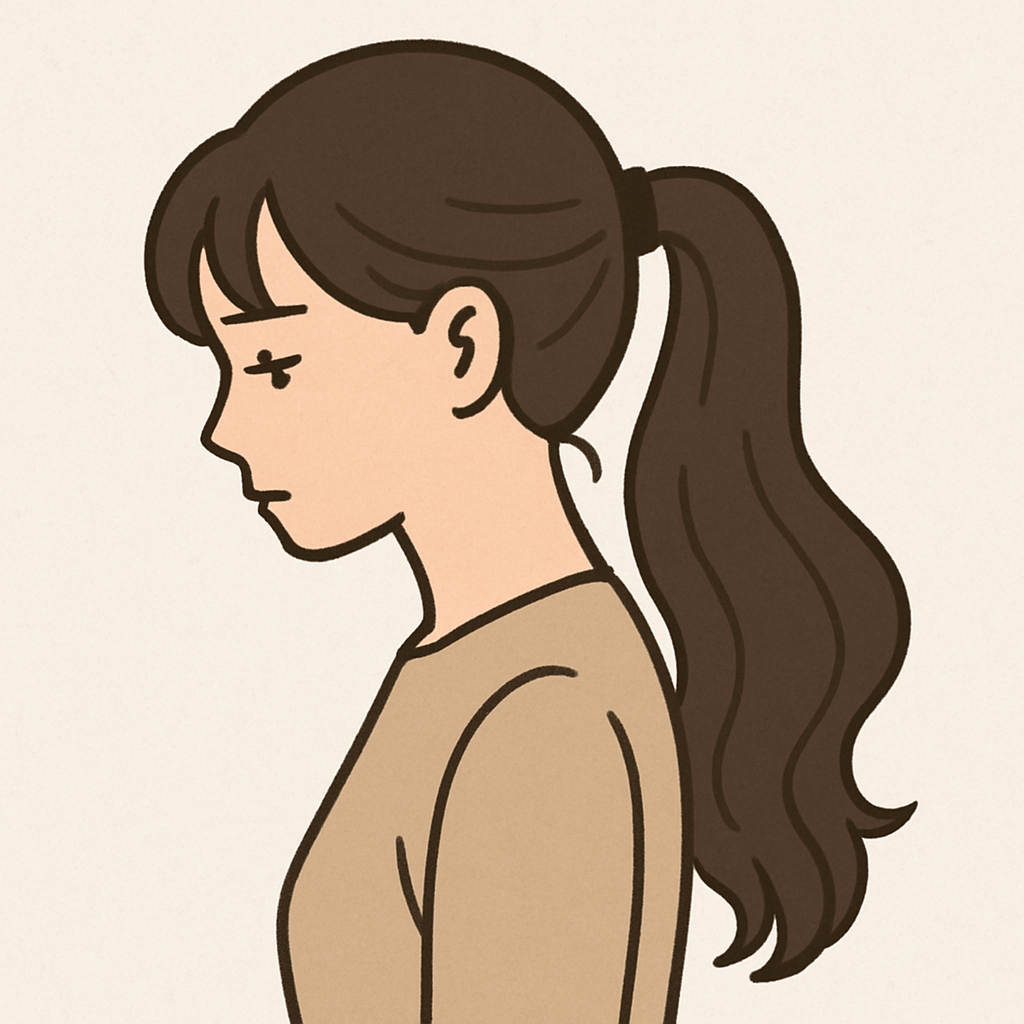
「後ろ髪を引かれる」is a Japanese idiom that literally translates to “having one’s hair pulled from behind.” It describes the feeling of reluctance, hesitation, or regret when leaving or parting from something or someone, as if being physically held back.
This expression conveys the emotional difficulty of moving forward when you feel a strong attachment or lingering concern about what you’re leaving behind. It’s the sensation of wanting to stay or look back, even though you know you must go.
In English, this can be translated or explained as:
- “to feel reluctant to leave”
- “to have second thoughts about leaving”
- “to feel torn about departing”
- “to leave with regret”
- “to have one’s heart pulled back”
- “to feel a tugging reluctance”
Common usage contexts:
- Leaving a job or position you enjoyed
- Saying goodbye to friends or family
- Ending a relationship
- Leaving a place you loved living in
- Moving on from a comfortable situation
- Graduating or finishing a chapter in life
Example of the feeling: Imagine you’re about to leave a wonderful vacation spot or say goodbye to someone dear to you at the airport – that emotional pull that makes it hard to turn away and walk forward is exactly what「後ろ髪を引かれる」describes.
The expression beautifully captures that bittersweet moment when duty or necessity compels you forward, but your emotions want to hold you back.
Example sentences
後ろ髪を引かれるの例文を20個、英訳付きで作成しますね。
- 転職が決まったが、今の職場に後ろ髪を引かれる思いだ。 My job change is decided, but I feel reluctant to leave my current workplace.
- 子供たちの顔を見ると、後ろ髪を引かれる思いで出張に出かけた。 When I saw my children’s faces, I left for my business trip with a heavy heart.
- 留学のチャンスだが、恋人と別れることに後ろ髪を引かれる。 It’s a chance to study abroad, but I feel torn about parting from my partner.
- 後ろ髪を引かれる思いで、長年住んだ家を後にした。 With deep regret, I left the house I had lived in for many years.
- 彼女は後ろ髪を引かれながらも、実家を出て一人暮らしを始めた。 Though reluctant to leave, she moved out of her parents’ house and started living alone.
- 引退を決めたが、選手生活に後ろ髪を引かれる気持ちは消えない。 I decided to retire, but the reluctance to leave my athletic career hasn’t disappeared.
- 後ろ髪を引かれる思いはあるが、前に進むしかない。 Though I feel reluctant to leave, I have no choice but to move forward.
- 卒業式では、学生時代に後ろ髪を引かれる思いでいっぱいだった。 At graduation, I was filled with reluctance to leave my student days behind.
- 海外赴任が決まり、家族と離れることに後ろ髪を引かれている。 My overseas assignment is decided, and I feel torn about being separated from my family.
- 後ろ髪を引かれる思いで、愛犬を友人に預けた。 With a heavy heart, I left my beloved dog with a friend.
- 彼は後ろ髪を引かれながらも、夢を追って東京へ向かった。 Though reluctant to leave, he headed to Tokyo to pursue his dream.
- 閉店セールを見て、このお店がなくなることに後ろ髪を引かれる。 Seeing the closing sale, I feel sad that this shop will be gone.
- 後ろ髪を引かれる思いだったが、別れを告げて空港を後にした。 Though I felt reluctant to leave, I said goodbye and left the airport.
- 昔の恋人に後ろ髪を引かれていては、新しい恋は始まらない。 If you’re still hung up on your ex, you can’t start a new relationship.
- 母は後ろ髪を引かれる表情で、息子を見送った。 The mother saw her son off with a reluctant expression on her face.
- 後ろ髪を引かれるような気持ちで、最後のミーティングに出席した。 I attended the final meeting with a feeling of reluctance to leave.
- 彼女との別れに後ろ髪を引かれたが、仕事を優先することにした。 I felt torn about breaking up with her, but decided to prioritize my work.
- 後ろ髪を引かれる思いを断ち切って、新天地へ旅立った。 Cutting off my reluctance to leave, I departed for new horizons.
- 定年退職の日、後ろ髪を引かれながら会社を出た。 On my retirement day, I left the company with lingering reluctance.
- 後ろ髪を引かれることなく、すっきりとした気持ちで次のステージへ進みたい。 I want to move on to the next stage with a clear mind, without any regrets holding me back.
これらの例文は、人生の様々な別れや転機の場面で「後ろ髪を引かれる」という表現が使われる様子を示しています。
Conversation example
後ろ髪を引かれるを使った会話例を英訳付きで作成しますね。
会話例1:転職の相談
太郎: 来月から新しい会社で働くことになったんだ。 Taro: I’ll be working at a new company starting next month.
花子: おめでとう!でも、今の会社辞めるの寂しいんじゃない? Hanako: Congratulations! But aren’t you sad about leaving your current company?
太郎: うん、正直後ろ髪を引かれる思いだよ。同僚たちとも仲良かったし。 Taro: Yeah, honestly I feel reluctant to leave. I got along well with my colleagues too.
花子: 分かる。でも、新しいチャレンジも楽しみでしょ? Hanako: I understand. But you must be excited about the new challenge too, right?
太郎: もちろん。後ろ髪を引かれるけど、前を向いて頑張るよ。 Taro: Of course. Though I’m reluctant to leave, I’ll look forward and do my best.
会話例2:留学前の恋人との会話
美咲: 来週、アメリカに発つんだよね。 Misaki: You’re leaving for America next week, right?
健太: ああ。楽しみな反面、君と離れることに後ろ髪を引かれるよ。 Kenta: Yeah. While I’m excited, I feel torn about being separated from you.
美咲: 私も同じ気持ち。でも、これは健太の夢だもんね。 Misaki: I feel the same way. But this is your dream, isn’t it?
健太: 後ろ髪を引かれる思いを断ち切って、頑張ってくるよ。待っててくれる? Kenta: I’ll push past my reluctance and do my best. Will you wait for me?
美咲: もちろん。応援してるから。 Misaki: Of course. I’m rooting for you.
会話例3:定年退職の日
部長: 山田さん、長い間お疲れ様でした。 Department Manager: Yamada-san, thank you for your long service.
山田: ありがとうございます。後ろ髪を引かれる思いでいっぱいです。 Yamada: Thank you very much. I’m filled with reluctance to leave.
部長: 私たちも寂しくなりますよ。でも、新しい人生を楽しんでください。 Department Manager: We’ll miss you too. But please enjoy your new life.
山田: はい。後ろ髪を引かれますが、第二の人生を楽しみます。 Yamada: Yes. Though I’m reluctant to leave, I’ll enjoy my second life.
会話例4:引っ越しの日
母: 荷物、全部積んだわよ。 Mother: All the luggage is loaded.
娘: ありがとう、お母さん。この家を離れるの、後ろ髪を引かれるな。 Daughter: Thanks, Mom. I feel reluctant to leave this house.
母: 18年間住んだ家だもんね。私も後ろ髪を引かれる思いよ。 Mother: It’s the house we lived in for 18 years. I also feel reluctant to leave.
娘: たくさんの思い出があるもんね。 Daughter: There are so many memories here.
母: でも、新しい家での生活も楽しみましょう。 Mother: But let’s look forward to life in the new house too.
会話例5:卒業式後の会話
裕介: ついに卒業だね。 Yusuke: We finally graduated.
真由美: うん。嬉しいけど、後ろ髪を引かれる気持ちもあるよ。 Mayumi: Yeah. I’m happy, but I also feel reluctant to leave.
裕介: 分かる。この学校での3年間、楽しかったもんな。 Yusuke: I know what you mean. These three years at this school were fun.
真由美: 友達と離れるのも寂しいし。 Mayumi: And it’s sad to be separated from friends too.
裕介: でも、また会えるよ。後ろ髪を引かれてばかりじゃいられないし。 Yusuke: But we can meet again. We can’t just keep dwelling on the past.
真由美: そうだね。前を向いて進まなきゃね。 Mayumi: You’re right. We have to look forward and move on.
会話例6:ペットを預ける時
佐藤: じゃあ、2週間お願いします。 Sato: Well then, please take care of him for two weeks.
友人: 任せて。ちゃんと面倒見るから。 Friend: Leave it to me. I’ll take good care of him.
佐藤: ごめんね。本当は一緒に連れて行きたいんだけど、後ろ髪を引かれるよ。 Sato: Sorry. I really want to take him with me, but I feel so reluctant to leave him.
友人: 大丈夫だって。楽しんできなよ。 Friend: It’ll be fine. Go and enjoy yourself.
佐藤: ありがとう。じゃあ、行ってくるね、ポチ。 Sato: Thanks. Well, I’ll be going now, Pochi.
会話例7:会社の送別会
課長: 田中君の送別会、寂しいね。 Section Chief: Tanaka’s farewell party is sad, isn’t it?
同僚: ええ。優秀な人材だったので、後ろ髪を引かれる思いです。 Colleague: Yes. He was talented, so we’re very reluctant to see him go.
課長: 引き止めたかったけど、本人の意思を尊重しないとね。 Section Chief: I wanted to make him stay, but we have to respect his decision.
同僚: そうですね。後ろ髪を引かれますが、新天地での活躍を祈りましょう。 Colleague: That’s right. Though we’re reluctant to let him go, let’s wish him success in his new position.
会話例8:子供の独立
父: 息子が来週、アパートに引っ越すんだ。 Father: My son is moving to an apartment next week.
友人: ついに独立か。後ろ髪を引かれるんじゃない? Friend: Finally becoming independent. Don’t you feel reluctant to let him go?
父: ああ、正直後ろ髪を引かれる思いでいっぱいだよ。 Father: Yeah, honestly I’m filled with reluctance to see him leave.
友人: 親としては寂しいよね。 Friend: It’s lonely as a parent, isn’t it?
父: でも、成長した証だから。後ろ髪を引かれてばかりもいられないな。 Father: But it’s proof that he’s grown up. I can’t just keep holding him back.
これらの会話例は、人生の様々な別れや転機の場面で「後ろ髪を引かれる」という表現が使われる様子を示しています。この慣用句は、前に進まなければならない状況でありながら、去りがたい気持ちを表現する際に広く使われます。
