Contents
Meaning
Ijimekko (いじめっ子)
Ijimekko refers to a bully or person who bullies others. It’s a Japanese term composed of two parts:
- いじめ (ijime) = bullying, harassment, or mistreatment
- っ子 (kko) = a suffix meaning “child” or “person” (often used informally)
So literally, it means “a child/person who bullies.”
Key characteristics:
- It typically describes someone who harasses, intimidates, or mistreats others, often repeatedly
- The term carries a negative connotation and is used to label someone engaged in bullying behavior
- It’s commonly used in discussions about school bullying or workplace harassment in Japan
Related term: The opposite is いじめられっ子 (ijimerarrekko), which means a bullying victim or “person being bullied.”
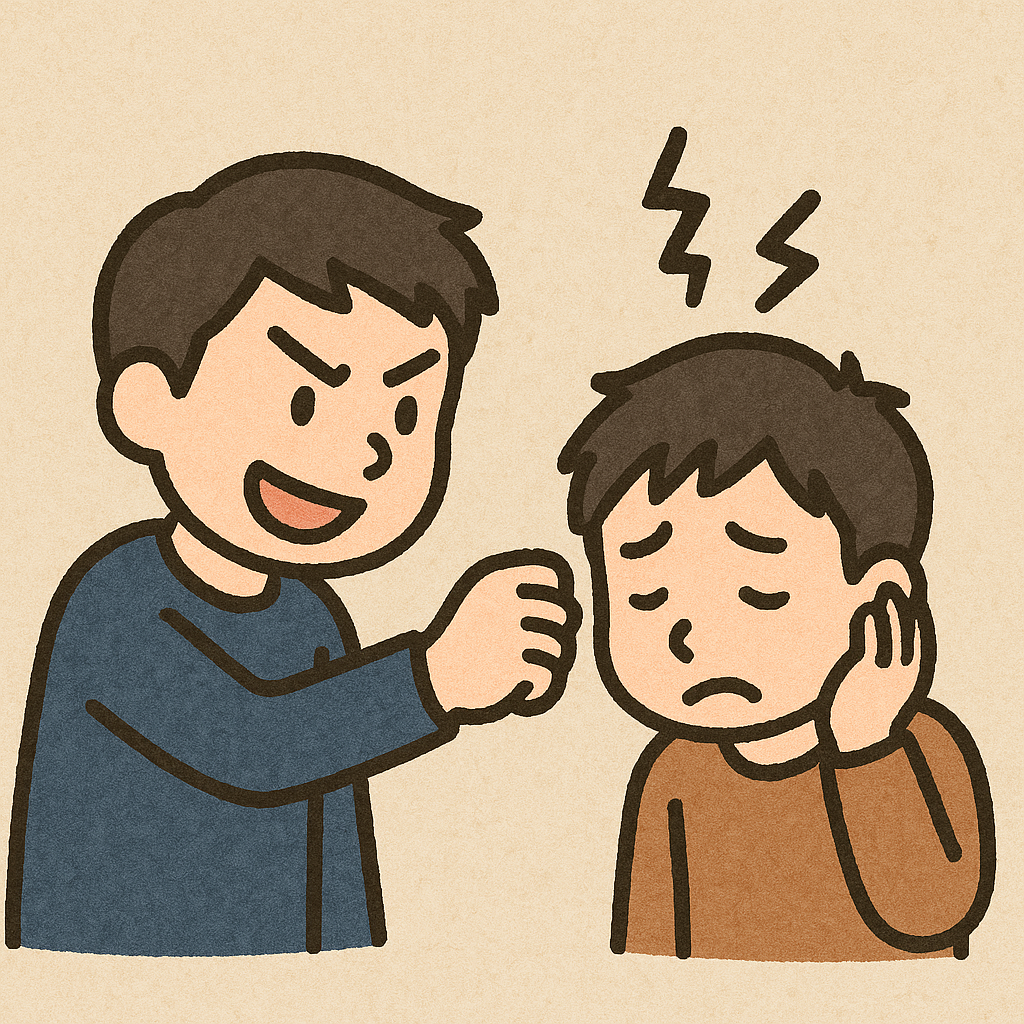
Example sentences
いじめっ子 (Ijimekko) – 20 Example Sentences
1
Japanese: その男の子はクラスのいじめっ子です。 English: That boy is a bully in the class.
2
Japanese: いじめっ子の行動は絶対に許されません。 English: The bully’s behavior is absolutely unacceptable.
3
Japanese: 彼女はいじめっ子からひどく扱われていました。 English: She was treated terribly by the bully.
4
Japanese: このいじめっ子は何人もの生徒をいじめています。 English: This bully is harassing multiple students.
5
Japanese: 先生はいじめっ子に注意しました。 English: The teacher scolded the bully.
6
Japanese: いじめっ子は自分の行動の結果を理解していません。 English: The bully doesn’t understand the consequences of his actions.
7
Japanese: 学校のいじめっ子たちは新入生をいじめるのが好きです。 English: The bullies at school like to harass new students.
8
Japanese: 私はいじめっ子と戦う勇気がありません。 English: I don’t have the courage to stand up to the bully.
9
Japanese: 彼のいじめっ子的な態度は最近改善されました。 English: His bullying attitude has improved recently.
10
Japanese: このいじめっ子は他の子供たちに悪い影響を与えています。 English: This bully is having a bad influence on other children.
11
Japanese: いじめっ子の親は子供の行動について知っていますか? English: Do the bully’s parents know about their child’s behavior?
12
Japanese: 被害者はいじめっ子に対して証言することに決めました。 English: The victim decided to testify against the bully.
13
Japanese: 学校はいじめっ子に厳しい処罰を与えるべきです。 English: The school should give the bully a strict punishment.
14
Japanese: いじめっ子は他人の気持ちに無関心です。 English: The bully is indifferent to others’ feelings.
15
Japanese: 何人かの生徒がいじめっ子に立ち向かいました。 English: Some students stood up to the bully.
16
Japanese: このいじめっ子は自分がしていることが悪いことだと気づいていません。 English: This bully doesn’t realize that what he’s doing is wrong.
17
Japanese: 先生たちはいじめっ子の問題行動に対処する必要があります。 English: Teachers need to address the bully’s problematic behavior.
18
Japanese: いじめっ子が改心することを願っています。 English: I hope the bully will reform himself.
19
Japanese: 学校中がそのいじめっ子を恐れていました。 English: The whole school was afraid of that bully.
20
Japanese: いじめっ子といじめられっ子の関係は複雑です。 English: The relationship between a bully and a bullying victim is complex.
Conversation example
いじめっ子 (Ijimekko) – Conversation Examples
Conversation 1: Friends Discussing a School Problem
A: 最近、田中君のことで悩んでいるんだ。 A (English): I’ve been worried about Tanaka recently.
B: どうしたの? B (English): What’s the matter?
A: 彼はクラスのいじめっ子なんだ。毎日、新しい生徒をいじめている。 A (English): He’s a bully in our class. He harasses new students every day.
B: それは大変だね。先生には報告した? B (English): That’s serious. Did you report it to the teacher?
A: まだなんだ。でもいじめっ子に立ち向かう勇気がない。 A (English): Not yet. But I don’t have the courage to stand up to him.
B: 一緒に先生に相談しようよ。いじめっ子の行動は止めるべきだ。 B (English): Let’s talk to the teacher together. The bully’s behavior needs to stop.
Conversation 2: Parent and Child Discussing Bullying
Parent: 学校どう?友達はいる? Parent (English): How’s school? Do you have friends?
Child: うーん、実は困っているんだ。クラスにいじめっ子がいて… Child (English): Well, actually I’m having trouble. There’s a bully in my class…
Parent: いじめっ子?誰? Parent (English): A bully? Who?
Child: 高橋君なんだ。彼は僕のことをいじめるんだ。 Child (English): It’s Takahashi. He bullies me.
Parent: そうなんだ。いじめっ子とはどんな関係なの? Parent (English): I see. What’s your relationship with the bully like?
Child: 毎日、悪口を言われるんだ。本当に嫌だ。 Child (English): He insults me every day. I really hate it.
Parent: わかった。明日、学校に行って先生に話そう。いじめっ子の行動は許されない。 Parent (English): Understood. I’ll go to school tomorrow and talk to the teacher. The bully’s behavior is not acceptable.
Conversation 3: Teacher and Student
Teacher: 最近、何か困ったことはある? Teacher (English): Is there anything troubling you lately?
Student: 実は、先生…いじめっ子のことで相談したいんです。 Student (English): Actually, teacher… I’d like to talk to you about a bully.
Teacher: そう。いじめっ子は誰? Teacher (English): I see. Who is the bully?
Student: 山田君です。彼はクラスの何人かをいじめています。 Student (English): It’s Yamada. He bullies several people in the class.
Teacher: 気づかなかった。具体的にどんなことをしているの? Teacher (English): I didn’t notice. What specifically is he doing?
Student: 誰かのお金を取ったり、悪口を言ったり…いじめっ子の行動は本当にひどいです。 Student (English): He takes people’s money, insults them… The bully’s behavior is really terrible.
Teacher: 教えてくれてありがとう。すぐにいじめっ子と話をして、この問題を解決する。 Teacher (English): Thank you for telling me. I’ll talk to the bully right away and resolve this issue.
Conversation 4: Two Students Supporting Each Other
A: 昨日、またいじめられたんだ。 A (English): I got bullied again yesterday.
B: え、また?どのいじめっ子に? B (English): What? Again? Which bully?
A: 佐藤君とその友達だ。本当に嫌になる。 A (English): Sato and his friends. I’m really fed up.
B: ひどいね。でもね、いじめっ子は自分の弱さから他人をいじめるんだよ。 B (English): That’s awful. But you know, bullies hurt others because of their own insecurity.
A: そう思う? A (English): You really think so?
B: うん。いじめっ子の方が可哀想だと思うよ。でもそれでもいじめられるのは辛いよね。 B (English): Yeah. I think the bully is actually more pathetic. But still, being bullied is hard.
A: ありがとう。頑張ってみる。 A (English): Thank you. I’ll do my best.
Conversation 5: Confronting a Bully
A: ねえ、どうしてそんなにいじめるの? A (English): Hey, why do you bully people so much?
B (Bully): え、何言ってるんだよ。俺はいじめっ子じゃない。 B (English): What are you talking about? I’m not a bully.
A: でも、毎日、誰かをいじめてるじゃん。 A (English): But you bully someone every day.
B: それはお前らが悪いんだろ。 B (English): It’s your fault for being so annoying.
A: いや、いじめっ子の言い訳は聞きたくない。やめてくれよ。 A (English): No, I don’t want to hear the bully’s excuses. Just stop it.
B: … B (English): …
A: 本気で考え直してよ。いじめっ子でいるのはかっこよくないよ。 A (English): Seriously, think about it. Being a bully isn’t cool.
