Contents
Meaning
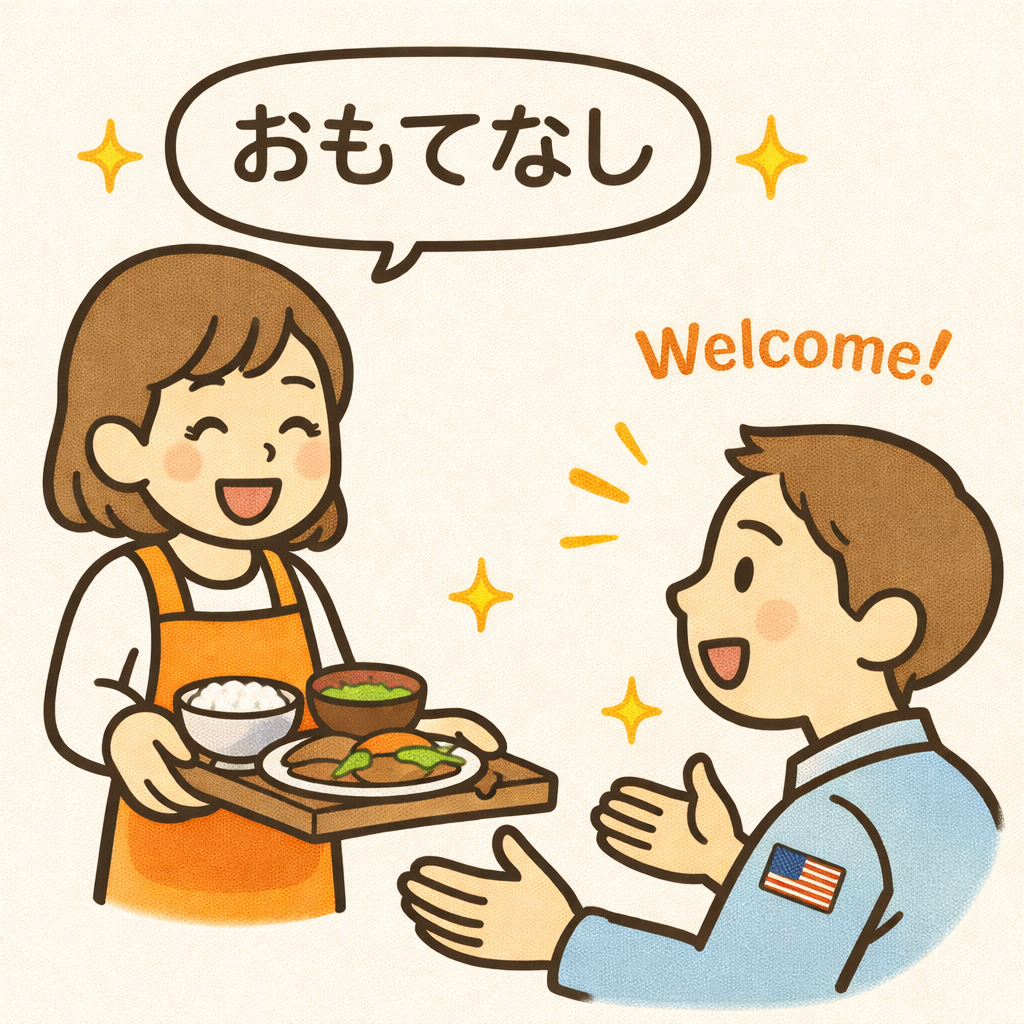
“おもてなし” (omotenashi) is a Japanese concept that refers to wholehearted hospitality, characterized by anticipating and attending to guests’ needs with sincere care and attention to detail, often before they even express those needs.
The word has deep cultural roots:
- “もてなし” (motenashi) – hospitality, treatment of guests
- “お” (o) – an honorific prefix
Key characteristics of omotenashi:
Philosophy: Omotenashi goes far beyond basic customer service. It embodies a spirit of selfless hospitality where the host anticipates guests’ needs and provides care without expecting anything in return. The goal is to make guests feel comfortable, valued, and cared for in every aspect of their experience.
Core principles:
- Anticipation: Reading guests’ unspoken needs and addressing them proactively
- Attention to detail: Caring about every small aspect of the guest experience
- Sincerity: Genuine desire to serve without ulterior motives
- Seamlessness: Making hospitality appear effortless and natural
- No expectation of reward: Service given freely, not for tips or recognition
Common contexts:
- Traditional Japanese inns (ryokan) and tea ceremonies
- High-end restaurants and hotels
- Tourist experiences and cultural events
- Even everyday interactions in Japanese business culture
Examples in practice:
- A restaurant server noticing you’re cold and adjusting the temperature without being asked
- A hotel staff member remembering your preferences from a previous visit
- A shop owner wrapping your purchase with meticulous care and beauty
- Offering a hot towel and tea immediately upon arrival
Cultural significance: Omotenashi became internationally recognized when Tokyo successfully bid for the 2020 Olympics, highlighting it as a defining characteristic of Japanese culture. It represents a philosophy where the distinction between host and guest becomes blurred, and serving others is seen as an honor rather than a burden.
English equivalents (though none fully capture the concept):
- “Wholehearted hospitality”
- “Gracious hosting”
- “Thoughtful service”
- “Anticipatory care”
- “Selfless hospitality”
Distinction from Western service: Unlike Western hospitality which may be transactional (service in exchange for payment/tips), omotenashi is given as a form of respect and genuine care, with the satisfaction of the guest being the ultimate reward.
Example sentences
以下、「おもてなし」を使った例文20個を英訳付きでご紹介します。
- この旅館のおもてなしは素晴らしく、また来たいと思った。 The hospitality at this inn was wonderful, and I want to come back again.
- 日本のおもてなしの心は世界に誇れる文化だ。 The spirit of Japanese omotenashi is a culture we can be proud of worldwide.
- 彼女は心を込めたおもてなしで、お客様を迎えた。 She welcomed guests with wholehearted hospitality.
- 茶道はおもてなしの精神が込められている。 The tea ceremony embodies the spirit of omotenashi.
- このレストランは料理だけでなく、おもてなしも一流だ。 This restaurant excels not only in food but also in hospitality.
- お客様に喜んでいただけるおもてなしを心がけています。 We strive to provide hospitality that delights our guests.
- 海外からの友人を日本式のおもてなしでもてなした。 I treated my overseas friends with Japanese-style hospitality.
- おもてなしの心を忘れずに、仕事に励んでいる。 I work hard while never forgetting the spirit of hospitality.
- 祖母のおもてなしは、いつも温かく心に残る。 My grandmother’s hospitality is always warm and memorable.
- この温泉地はおもてなしの質で有名だ。 This hot spring resort is famous for the quality of its hospitality.
- おもてなしの精神を次の世代に伝えていきたい。 I want to pass on the spirit of omotenashi to the next generation.
- 細やかなおもてなしに感動した。 I was moved by the attentive hospitality.
- オリンピックで日本のおもてなしを世界に発信した。 Japan showcased its omotenashi to the world during the Olympics.
- お客様目線に立ったおもてなしが大切だ。 Hospitality from the guest’s perspective is important.
- 旅行先で受けたおもてなしが忘れられない。 I can’t forget the hospitality I received on my trip.
- おもてなしの心で、一人一人のお客様に接する。 We treat each guest with a spirit of wholehearted hospitality.
- 彼は最高のおもてなしで、私たちを迎えてくれた。 He greeted us with the finest hospitality.
- このホテルのスタッフのおもてなしは期待以上だった。 The hospitality of this hotel’s staff exceeded expectations.
- おもてなしとは、相手の気持ちを察して行動することだ。 Omotenashi means acting upon understanding the other person’s feelings.
- 日本文化の根底にあるおもてなしの精神を学んだ。 I learned about the spirit of omotenashi that underlies Japanese culture.
これらの例文は、「おもてなし」という言葉の様々な使い方と、その深い文化的意味を示しています。相手を思いやり、心を込めて接する日本独特の hospitality の概念が表現されています。
Conversation example
以下、「おもてなし」を使った会話例を英訳付きでご紹介します。
会話例1:旅館でのチェックアウト
客: 昨夜は本当にありがとうございました。素晴らしいおもてなしでした。 Guest: Thank you so much for last night. The hospitality was wonderful.
女将: こちらこそ、お泊まりいただきありがとうございました。 Proprietress: Thank you for staying with us.
客: 細かいところまで気を配っていただいて、感動しました。 Guest: I was touched by your attention to every detail.
女将: お客様に喜んでいただけることが、私たちの一番の喜びです。 Proprietress: Our greatest joy is seeing our guests happy.
客: また必ず来ます。友人にもおすすめしますね。 Guest: I’ll definitely come again. I’ll recommend this place to my friends too.
会話例2:外国人観光客との会話
外国人: Japanese hospitality is amazing! What do you call this? Foreigner: Japanese hospitality is amazing! What do you call this?
日本人: 私たちは「おもてなし」と呼んでいます。 Japanese person: We call it “omotenashi.”
外国人: Omotenashi? What does it mean exactly? Foreigner: Omotenashi? What does it mean exactly?
日本人: お客様のことを第一に考えて、心を込めて接することです。 Japanese person: It means putting guests first and treating them with sincere care.
外国人: I see. It’s more than just service, right? Foreigner: I see. It’s more than just service, right?
日本人: そうです。相手の気持ちを察して、先回りして行動するんです。 Japanese person: That’s right. We anticipate guests’ feelings and act proactively.
会話例3:レストランでの研修
マネージャー: 今日はおもてなしの心について話します。 Manager: Today we’ll talk about the spirit of omotenashi.
新人: おもてなしって、具体的にどうすればいいんですか? New employee: What specifically should we do for omotenashi?
マネージャー: お客様が何を求めているか、言葉にする前に気づくことです。 Manager: It’s noticing what guests want before they put it into words.
新人: 難しそうですね。 New employee: That sounds difficult.
マネージャー: 最初は難しいけど、常にお客様の立場で考える習慣をつけましょう。 Manager: It’s hard at first, but let’s develop the habit of always thinking from the guest’s perspective.
会話例4:友人を自宅に招く
A: 今日はお招きいただいてありがとう。 A: Thank you for inviting me today.
B: いえいえ、大したおもてなしもできませんが。 B: Not at all, I can’t offer much in terms of hospitality.
A: とんでもない。お部屋も綺麗だし、お料理も美味しそう。 A: Don’t say that. Your place is beautiful, and the food looks delicious.
B: 喜んでもらえて嬉しいです。ゆっくりしていってくださいね。 B: I’m glad you like it. Please make yourself at home.
A: ありがとう。日本のおもてなしの心を感じます。 A: Thank you. I can feel the spirit of Japanese hospitality.
会話例5:ホテルのフロントで
客: すみません、近くにコンビニはありますか? Guest: Excuse me, is there a convenience store nearby?
スタッフ: はい、徒歩3分のところにございます。地図をお描きしますね。 Staff: Yes, there’s one a 3-minute walk away. Let me draw you a map.
客: ありがとうございます。 Guest: Thank you.
スタッフ: あと、今日は寒いので、傘もお持ちになった方がいいかもしれません。 Staff: Also, since it’s cold today, you might want to take an umbrella.
客: そこまで気を配っていただいて。これがおもてなしですね。 Guest: Such thoughtfulness. This is omotenashi, isn’t it?
スタッフ: お客様に快適に過ごしていただきたいだけです。 Staff: We simply want our guests to have a comfortable stay.
会話例6:茶道教室で
先生: 茶道の根本にあるのは、おもてなしの心です。 Teacher: At the heart of tea ceremony is the spirit of omotenashi.
生徒: お茶を点てる技術だけじゃないんですね。 Student: So it’s not just about the technique of making tea.
先生: そうです。お客様のために、一期一会の気持ちで向き合います。 Teacher: That’s right. We approach each guest with the feeling of “one time, one meeting.”
生徒: 一つ一つの動作に意味があるんですね。 Student: Every movement has meaning, doesn’t it?
先生: はい。全てはお客様を思う心から生まれるものです。 Teacher: Yes. Everything comes from a heart that thinks of the guest.
会話例7:職場での会話
上司: 今度、大切なお客様が来社されます。 Boss: An important client will be visiting our company soon.
部下: どのようにお迎えすればよいでしょうか? Subordinate: How should we welcome them?
上司: 日本式のおもてなしで、最高の印象を与えたいですね。 Boss: I want to make the best impression with Japanese-style omotenashi.
部下: 会議室の準備と、お茶菓子の用意をしておきます。 Subordinate: I’ll prepare the meeting room and arrange tea and sweets.
上司: それと、お客様の好みも事前にリサーチしておいてください。 Boss: Also, please research the client’s preferences in advance.
部下: わかりました。細やかなおもてなしを心がけます。 Subordinate: Understood. I’ll aim for attentive hospitality.
会話例8:観光ガイドとして
観光客: 日本に来て、どこでも親切にしてもらえて驚きました。 Tourist: I’m amazed at how kind everyone has been since I came to Japan.
ガイド: それが日本のおもてなしの文化なんです。 Guide: That’s Japan’s culture of omotenashi.
観光客: でも、チップを払おうとしても受け取ってもらえないんです。 Tourist: But when I try to tip, they won’t accept it.
ガイド: おもてなしは見返りを求めずにするものなんです。 Guide: Omotenashi is done without expecting anything in return.
観光客: 素晴らしい文化ですね。感動しました。 Tourist: What a wonderful culture. I’m truly moved.
会話例9:結婚式の打ち合わせ
新郎: ゲストの皆さんに最高のおもてなしをしたいんです。 Groom: We want to provide the best hospitality for our guests.
プランナー: 素敵ですね。具体的にどのようなことをお考えですか? Planner: That’s wonderful. What specifically are you thinking?
新婦: 一人一人に感謝の気持ちが伝わるようにしたいんです。 Bride: We want to convey our gratitude to each person.
プランナー: では、席札にメッセージを添えるのはいかがでしょう? Planner: How about adding personal messages to the place cards?
新郎: いいですね。心を込めたおもてなしになりそうです。 Groom: That’s great. It will be heartfelt hospitality.
会話例10:料亭での食事
客: この懐石料理、一品一品が芸術品のようですね。 Guest: This kaiseki meal—each dish is like a work of art.
店主: ありがとうございます。季節を感じていただけるよう心を込めました。 Owner: Thank you. I put my heart into helping you feel the season.
客: 器も素晴らしいですし、盛り付けも美しい。 Guest: The dishes are wonderful, and the presentation is beautiful.
店主: おもてなしとは、五感で楽しんでいただくことだと考えています。 Owner: I believe omotenashi means allowing guests to enjoy with all five senses.
客: まさにその通りですね。素晴らしい体験をありがとうございます。 Guest: That’s exactly right. Thank you for this wonderful experience.
会話例11:航空会社のサービス
乗客: すみません、毛布をもう一枚いただけますか? Passenger: Excuse me, could I have another blanket?
客室乗務員: もちろんです。少々お待ちください。 Flight attendant: Of course. One moment, please.
客室乗務員: お待たせしました。温かいお飲み物もお持ちしましょうか? Flight attendant: Sorry to keep you waiting. Shall I bring you a warm drink as well?
乗客: それは助かります。日本の航空会社のおもてなしは本当に素晴らしいですね。 Passenger: That would be great. Japanese airlines’ omotenashi is truly wonderful.
客室乗務員: ありがとうございます。快適な空の旅をお過ごしください。 Flight attendant: Thank you. Please enjoy your comfortable flight.
会話例12:地域のイベントで
ボランティア: 今日は地域の方々をおもてなしする日です。 Volunteer: Today is the day we show hospitality to our community members.
参加者: 手作りのお菓子まで用意してくださって。 Participant: You even prepared homemade sweets.
ボランティア: 皆さんに喜んでいただきたくて、朝から準備しました。 Volunteer: We wanted to make everyone happy, so we prepared from this morning.
参加者: こういうおもてなしの心が、地域の絆を強くするんですね。 Participant: This spirit of omotenashi strengthens community bonds, doesn’t it?
ボランティア: そうですね。お互いに支え合う気持ちが大切だと思います。 Volunteer: That’s right. I think the feeling of supporting each other is important.
これらの会話例は、「おもてなし」が実践される様々なシーンを示しています。相手を思いやり、心を込めて接する日本独特の hospitality の精神が、日常生活や仕事、文化の中でどのように表現されているかが分かります。
