Contents
Meaning
English Explanation:
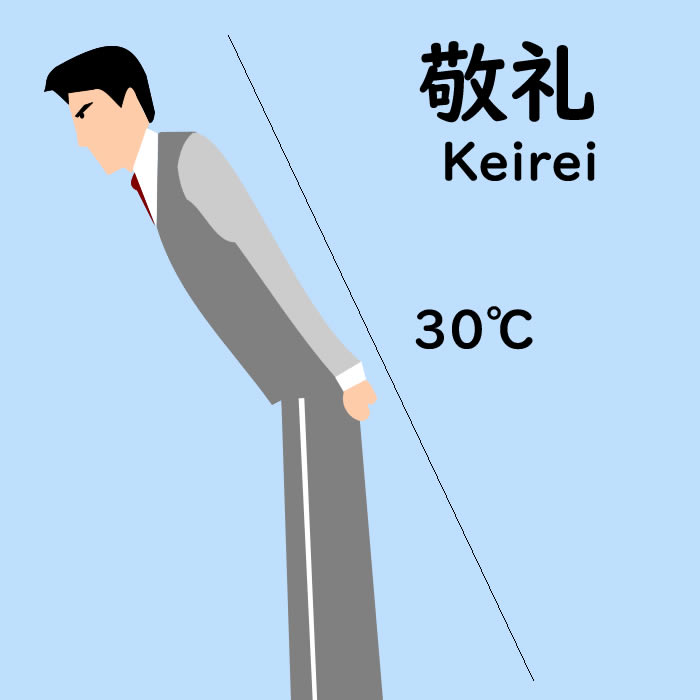
“Eshaku suru” means to give a slight bow or nod as a polite greeting or gesture of respect. It is a common Japanese custom used in everyday situations, such as when passing someone in the hallway, thanking a person, or showing basic courtesy.
It’s a subtle, brief bow — not as deep as the formal bow used in ceremonies or apologies.
Common English equivalents:
-
to give a polite bow
-
to nod politely
-
to make a slight bow in greeting

Example sentences
1️⃣ 基本的な挨拶
-
すれ違ったときに軽く会釈した。
→ I gave a slight bow as we passed each other. -
朝、先生に会釈して教室に入った。
→ I bowed politely to the teacher and entered the classroom. -
彼は目が合うと、にこっとして会釈した。
→ When our eyes met, he smiled and nodded politely. -
エレベーターで上司に会って会釈した。
→ I met my boss in the elevator and gave a polite bow. -
会釈だけでも印象がよくなる。
→ Even a simple bow leaves a good impression.
2️⃣ ビジネス・フォーマルな場面
-
来客が来たとき、まず会釈で迎える。
→ When a guest arrives, I first greet them with a polite bow. -
社長が通るたびに社員が会釈していた。
→ Every time the president passed by, the employees bowed slightly. -
商談の前に軽く会釈するのが礼儀だ。
→ It’s polite to give a slight bow before starting a business meeting. -
部下に対しても、会釈で敬意を示す。
→ Even toward subordinates, a slight bow shows respect. -
海外の取引先に会釈の文化を説明した。
→ I explained the Japanese custom of bowing to our overseas client.
3️⃣ 日常・学校生活で
-
すれ違うたびに会釈するのが習慣だ。
→ It’s a habit to bow slightly whenever we pass each other. -
彼女は笑顔で会釈して通り過ぎた。
→ She smiled, gave a polite bow, and walked past. -
初対面の人には会釈を忘れないようにしている。
→ I try not to forget to bow politely to people I meet for the first time. -
駅で先生を見かけたので、軽く会釈した。
→ I saw my teacher at the station and gave a slight bow. -
友達の親に会って、慌てて会釈した。
→ I met my friend’s parents and quickly gave a polite bow.
4️⃣ 感情・気持ちを表す会釈
-
彼は照れくさそうに会釈した。
→ He bowed shyly. -
謝る代わりに、深めの会釈をした。
→ Instead of apologizing verbally, I gave a deeper bow. -
何も言わず、静かに会釈した。
→ Without saying anything, I bowed quietly. -
感謝の気持ちを込めて会釈した。
→ I bowed with gratitude. -
再会を喜んでお互いに会釈した。
→ We bowed to each other happily when we met again.
Conversation example
🏢 ① 職場で上司に会ったとき
A: 今朝、部長に会ったけど、緊張して何も言えなかった。
B: それでも会釈したなら大丈夫だよ。
A: I saw the manager this morning, but I was too nervous to say anything.
B: That’s fine, as long as you bowed politely.
🏫 ② 学校の廊下で
A: 先生とすれ違ったら、どうすればいい?
B: 軽く会釈すればいいよ。
A: What should I do if I pass a teacher in the hallway?
B: Just give a slight bow.
🚶♀️ ③ すれ違いざまの挨拶
A: 毎朝あの人と目が合うんだ。
B: じゃあ、会釈くらいはしておいたほうがいいね。
A: I make eye contact with that person every morning.
B: Then you should at least give a polite bow.
💼 ④ ビジネスシーン
A: 初めて会う取引先にはどう挨拶すればいい?
B: まず軽く会釈して、笑顔で名刺を渡すといいよ。
A: How should I greet a new client?
B: Start with a slight bow and hand them your business card with a smile.
👨🏫 ⑤ 教師と生徒
先生: 朝の挨拶、みんな声が小さいね。
生徒: 会釈だけじゃダメですか?
先生: 声も出したほうが印象がいいよ。
Teacher: Your morning greetings are a bit too quiet.
Student: Is it okay if I just bow?
Teacher: It’s better if you say something, too.
🏙️ ⑥ エレベーターで
A: エレベーターで知らない人に会ったらどうすればいい?
B: 軽く会釈するだけで十分だよ。
A: What should I do if I meet a stranger in the elevator?
B: Just a slight bow is enough.
💖 ⑦ 好印象を与えたいとき
A: 初対面の人にいい印象を与えるコツってある?
B: うん、まずは笑顔と会釈だね。
A: Any tips for making a good first impression?
B: Yeah — start with a smile and a polite bow.
😅 ⑧ 緊張してしまったとき
A: あのとき緊張して、会釈しかできなかったよ。
B: それでも礼儀正しい印象を与えたと思うよ。
A: I was so nervous that all I could do was bow slightly.
B: That still gave a polite impression, I think.
🏠 ⑨ 近所の人との会話
A: 近所の人に会ったけど、名前がわからなかった。
B: そういうときは、とりあえず会釈だけでもいいよ。
A: I ran into a neighbor, but I didn’t know their name.
B: In that case, just a polite bow is fine.
🎓 ⑩ 卒業式で
A: 卒業式のとき、先生に何て言えばいいんだろう?
B: 言葉が出なくても、会釈すれば気持ちは伝わるよ。
A: What should I say to the teacher at the graduation ceremony?
B: Even if you can’t find the words, a polite bow will show how you feel.